
Water pump roomoften located in the area behind the house, next to a building, near a park, or near a reservoir. Because it is related to water installations, this area is quite often damp, wet, and rarely checked in detail. In fact, conditions like this can increase the risk of termites entering the house.
Termites like places that are damp, dark, and rarely disturbed. If the pump room has floor gaps, leaking walls, leaking pipes, or items made of wood and cardboard around it, these areas can be the initial path for termites to move towards parts of the building.
Why is the water pump room prone to termites?
Pump rooms usually have many points close to water, such as pipes, connections, drains and floors that can easily get wet. If a small leak is left unchecked, moisture can linger around the area for a long time.
This damp condition can be used by termites to move from the soil, foundation gaps, floor cracks, or surrounding walls. After that, termites can look for food sources such as frames, cupboards, kitchen sets, wooden shelves, cardboard, or furniture in the house.
Risks are not always immediately apparent. Termite colonies can move through hidden pathways before damage appears on the surface. Therefore, checking the pump room should be part of home maintenance, especially if the area is directly adjacent to a room that has a lot of wooden elements.
Areas around the pump that need to be checked
Some points that need to be paid attention to are the floor around the pump, the corners of the walls, the inlet and outlet pipe areas, the bottom of the reservoir, and items stored around the pump room. Also check the joints between the floor and the walls as small cracks can be hidden passages for soil.
If there are cardboard, used wood, boards, wooden shelves, or remaining building materials in the area, it is best to tidy them up immediately. These items can be an additional food source for termites if conditions are damp.
Try not to place items directly on the floor. If the pump room is also used as a storage area, use metal shelves or closed plastic containers so that items do not come into direct contact with moisture.
Signs of Termites in the Pump Room
The first sign to look for is the appearance of small dirt tracks on the walls or floor. This path usually looks like a thin line of mud attached to the surface and can be access for termites from the soil to a food source.
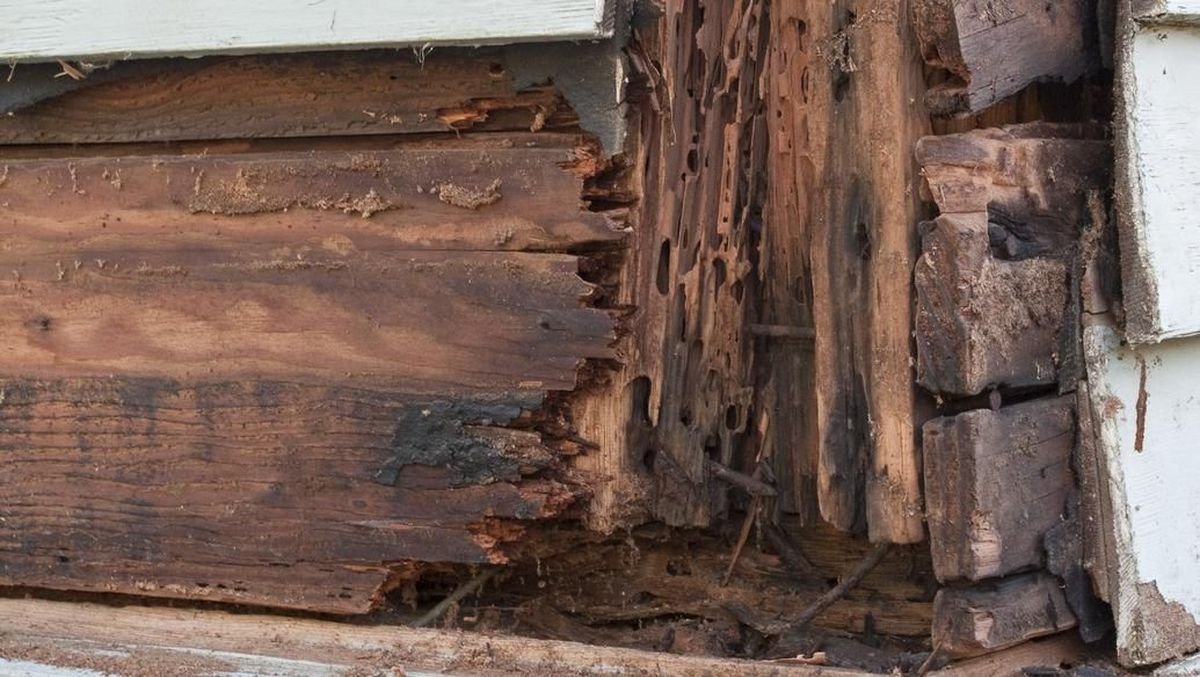
Apart from that, pay attention if there is fine dust around the wood, the shelves are starting to become brittle, the cardboard is easily destroyed, or the walls feel damp and smell musty. If these signs appear, do not immediately assume it is normal feces.
Wood that sounds hollow when tapped also needs further inspection. Another sign that may appear is that the surface of the wood looks intact, but the inner layer is brittle or breaks easily.
Don’t Just Focus on the Pump Machine
When checking the pump room, many people only pay attention to whether the engine is still running normally or not. In fact, the surrounding area also needs to be checked for the risk of moisture and pests.
Try to pay attention to the floor, walls, pipe gaps, and items around the pump. If there is water that keeps dripping or small puddles that don’t drain, the area needs to be repaired immediately. Also check whether the ventilation is working properly and whether sunlight can enter at certain times.
How to Reduce the Risk of Termites from Pump Rooms
The first step is to make sure there are no leaking pipes or leaking joints. Small leaks that occur continuously can make the surrounding area damp and prone to termites.
Second, make sure the pump room has good air circulation. Areas that are too closed and stuffy can make moisture last longer. Simple ventilation or adequate air access can help speed up the drying process.
Third, avoid storing cardboard, used wood, or paper items near the pump. Use plastic containers if you need to store equipment in that area.
Fourth, carry out routine checks on floor corners, walls, pipe lines and storage items. A simple check every few weeks helps spot changes before the damage spreads further.
If signs such as dirt tracks, fine dust, chipped wood, or recurring damp areas begin to appear, serviceanti-termitecould be an option to help prevent damage from spreading to other parts of the house.
Conclusion
The water pump room can become a termite pathway if the area is damp, rarely inspected, and has small gaps around the floor or walls. The risk is greater if there are items made of wood, cardboard or paper piled up nearby.
By keeping the pump room dry, repairing leaks, increasing air circulation, and regularly checking for early signs of termites, damage to parts of the house can be prevented early on.