
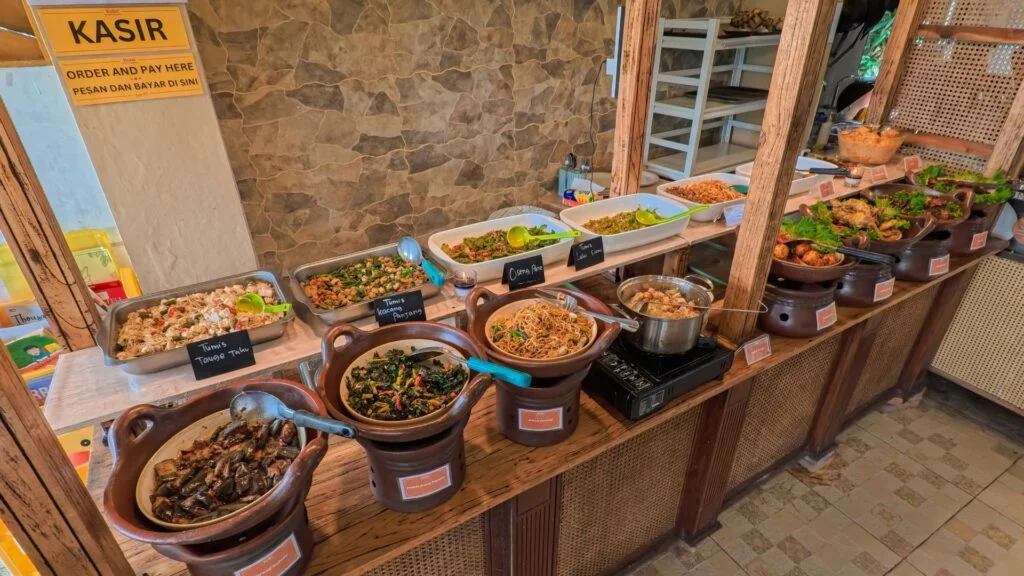
If you have ever traveled to Magelang, perhaps you immediately thought of the view of the hills or the majesty of the temple. But behind that, there is another layer that is often overlooked: the long culinary story. And interestingly, every food here is not just delicious—but contains traces of Culinary History Magelang.
Like Bukit Rhema as a cultural icon Magelang which has a unique architectural story, the culinary delights in this region also contain deep layers of history—from royal, colonial, to modern.
How It Started-Culinary History Magelang
Ministry of Education and Culture’s culinary history of Central Java cannot be separated from the Kedu area—a fertile area that has existed since the era Islamic Mataram Kingdom it has become a center of agricultural and military activity.
In those days, food was not only about taste, but about function:
- Filling
- Easy to make
- Durable for travel
From here, various simple foods were born that have survived to this day.
Why Gethuk Became a Culinary Icon Magelang-Culinary History Magelang
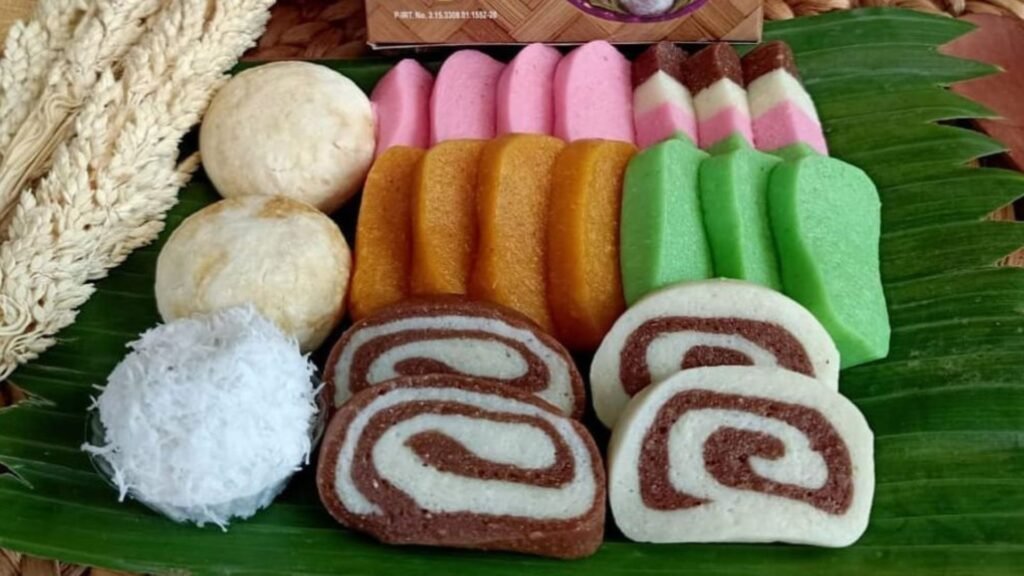
Gethuk may seem simple: cassava, sugar, and a touch of color. But if you look back, this food has an important function.
During the Mataram period:
- Cassava is an alternative to rice during the food crisis
- Easy to process by village communities
- So practical provisions for soldiers
Philosophically, gethuk reflects:
- Simplicity of life
- Adaptation to conditions
- Resilience of local communities
Today, gethuk is no longer just a snack. It has become a symbol of Magelang’s culinary identity that still survives in the midst of modernization.
What is the Relationship between Kupat Tahu and Chinese Culture-Culinary History Magelang
If you’ve eaten kupat tofu at Magelang, it might feel familiar. But actually, this dish is the result of cultural acculturation.
Chinese influence came through:
- Use of tofu as the main protein
- The serving technique is simple but layered with flavour
- Peanut sauce enriched with local spices
Kupat itself has a philosophical meaning in Javanese culture:
- “Ngaku lepat” (admitting a mistake)
- Identical to the Eid moment and forgiving each other
So, one plate of kupat tofu actually carries two cultures:
- Javanese (philosophy & traditions)
- Chinese (ingredients & techniques)
What is Kedu Fried Rice that is Starting to Be Forgotten-Culinary History Magelang
This is one of the most interesting parts.
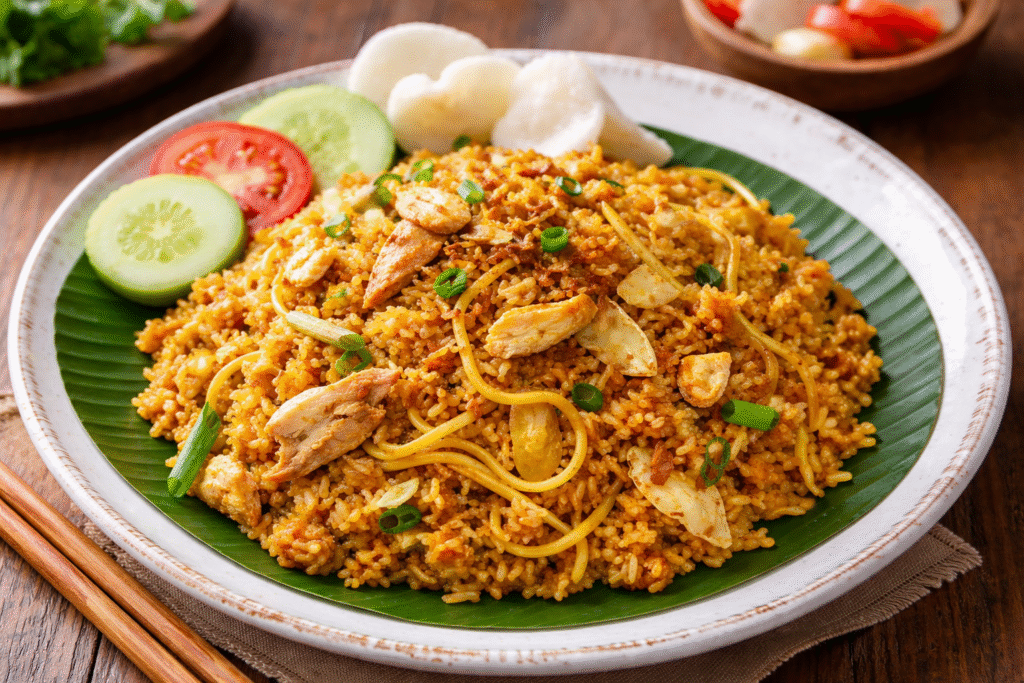
Kedu Fried Rice not just ordinary fried rice. He was born during the Dutch colonial period, when:
- Limited food ingredients
- Spices must be used optimally
- Cooking techniques evolved out of necessity
Distinctive features:
- Stronger and “smoky” taste
- Using simple but sharp spices
- Sometimes combined with local side dishes such as tempeh or offal
Why is it rarely found now?
- Displaced by modern fried rice
- The new generation doesn’t know much about it
- Not many have documented the original recipe
In fact, this is one of Magelang’s culinary “lost heritage” that deserves to be brought back.
How Did Colonial Influences Shape Culinary Taste Magelang?
The colonial period brought major changes:
- Introduction of new materials
- Change in diet
- A combination of cooking techniques
Some impacts:
- Cooking becomes more complex
- There is a European influence in the presentation
- New variations of traditional foods are emerging
However, what is unique is that local people have not lost their identity. They actually:
- Adapt
- Simplify
- Keeps the feeling “very Javanese”
Why does Culinary Magelang persist today?
There is one main factor: relevance to everyday life.
Culinary Magelang tends to:
- Comforting (comfortable on the tongue)
- Familiar to many people
- Not too complex
So until now:
- Gethuk is still being sought
- Kupat tofu remains a favorite
- Home cooking still dominates
Modern dining places are starting to bring back these flavors with a new approach—more aesthetic, more comfortable, but still maintaining local flavors. culinary history Magelang compass
What is the Relationship between Culinary and Cultural Identity Magelang
Culinary at Magelang is not just about eating. This is about:
- Story
- Adaptation to the times
- Local identity
Just like Bukit Rhema which holds spiritual meaning and a long history, culinary Magelang is also a “living archive” that you can experience directly.
Every bite is part of the journey:
- From the kingdom
- To the colonial period
- Until the modern era
A Brief Timeline of Culinary History Magelang
Islamic Mataram Era
- Gethuk as food for the people & soldiers
Era of Cultural Acculturation
- Kupat tofu was born from Chinese influence
Dutch Colonial Era
- Kedu fried rice is growing
Modern Era
- Adaptation to cafes & restaurants
- Culinary is part of tourism
Why is it important to preserve this culinary history?
Because otherwise:
- Recipes can be lost
- Philosophy is also forgotten
- Regional identities become blurred
Today, the challenge is no longer about making the food—but keeping the story behind it alive.
And this is where the current generation comes into play:
- Try
- Get to know
- Retelling
Apa makanan khas Magelang yang paling terkenal?
Makanan khas Magelang yang paling terkenal adalah gethuk, kupat tahu, dan berbagai olahan tradisional berbasis singkong serta bumbu khas Jawa.
Apa itu nasi goreng Kedu?
Nasi goreng Kedu adalah varian nasi goreng khas Magelang yang berkembang sejak masa kolonial, dengan cita rasa lebih kuat, sederhana, dan khas daerah Kedu.
Kenapa gethuk menjadi ikon kuliner Magelang?
Gethuk menjadi ikon karena berasal dari masa Mataram sebagai makanan alternatif berbasis singkong yang sederhana, tahan lama, dan mudah dibuat.
Apakah kuliner Magelang dipengaruhi budaya lain?
Ya, kuliner Magelang dipengaruhi budaya Tionghoa dan kolonial Belanda, terutama pada penggunaan bahan seperti tahu dan teknik memasak tertentu.
Apakah nasi goreng Kedu masih bisa ditemukan sekarang?
Saat ini nasi goreng Kedu sudah jarang ditemukan karena kalah populer dengan nasi goreng modern, namun masih ada beberapa tempat yang mencoba melestarikannya.
Cover
If you go to Magelang, try looking deeper. Don’t just look for those that are viral—but look for those that have a story.
Because in every gethuk, kupat tofu, to the nearly lost Kedu fried rice, there is a long history that is still waiting to be retold.
Save this article, and share it with history lovers—so the Magelang culinary story will live on.