
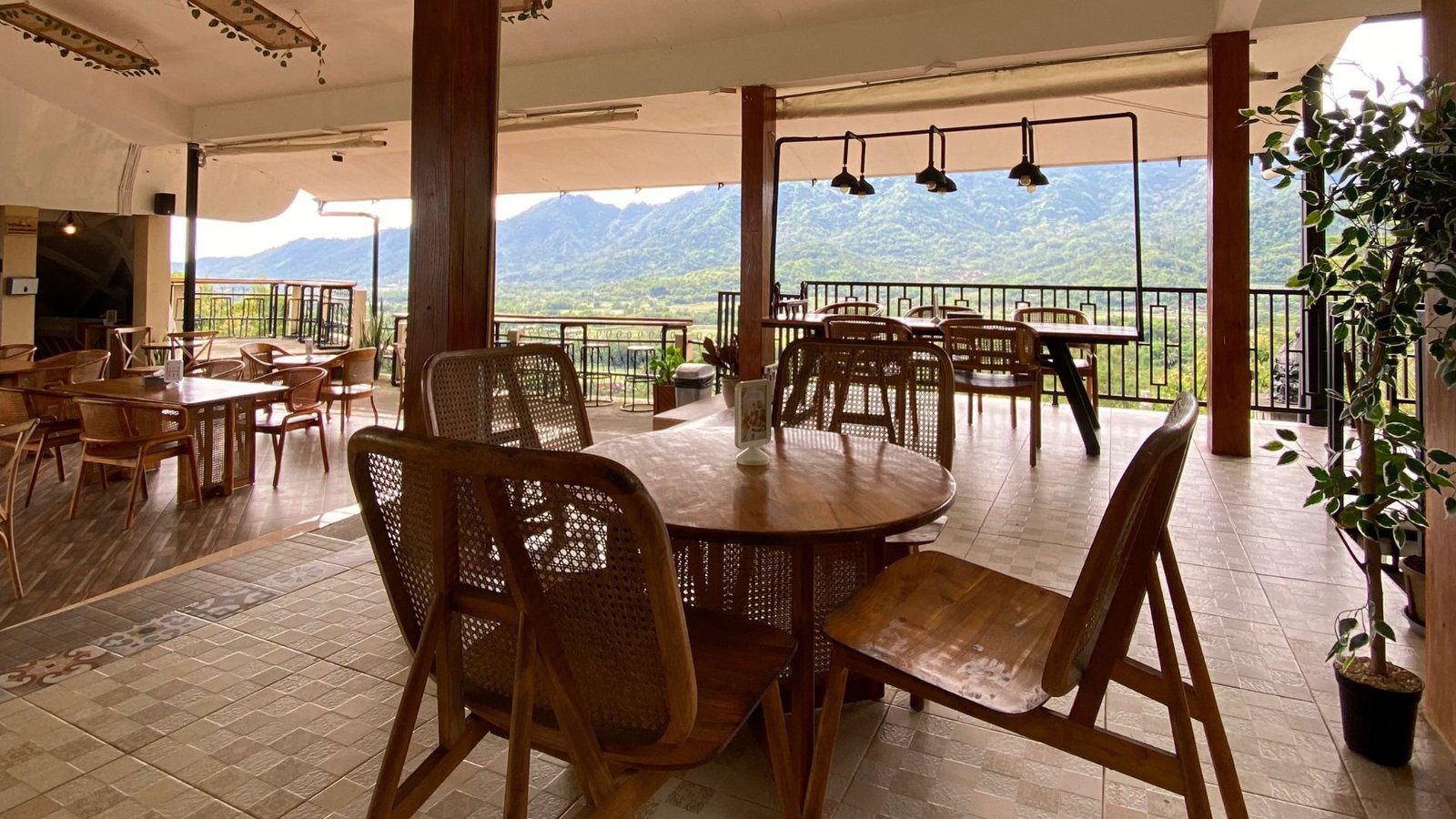
After a day of driving around in a VW exploring the villages around the temple, you and I usually agree on one thing: our stomachs must be filled with warm Javanese food. This is the best moment to stop at a traditional restaurant Borobudur—a place where savory sauce, spices and fresh chili sauce are the love language of Magelang residents. The experience of landing at a simple wooden table, smelling the fragrance of warm rice, and waiting for the vegetable lodeh to be served is an inseparable part of Borobudur culinary delights which leaves a long lasting impression.
Also read:Enjoying a Variety of Culinary and Interesting Destinations in Indonesia: A Complete Guide for Food and Travel Lovers
Taste Map: Understanding Javanese Culinary Character in Borobudur
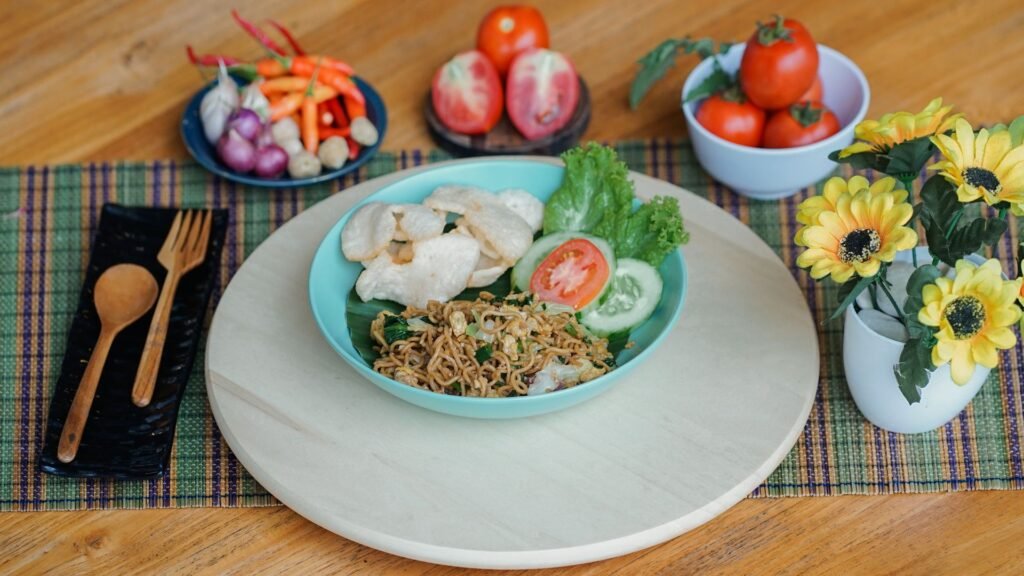
Javanese dishes in the Borobudur area are known to be light but layered: they don’t emphasize just one flavour. Savory from coconut milk, fragrant with lime leaves, basil and bay leaves, then a little sticky sweetness from palm sugar—it all comes together slowly. It’s here Borobudur traditional restaurant displays differentiation: some focus on processed freshwater fish, some emphasize village vegetables, some are special in market snacks.
For Location: Google Maps
Awaited Taste and Texture
- Mangut beong: spicy and savory with a light smoke, typical of river banks.
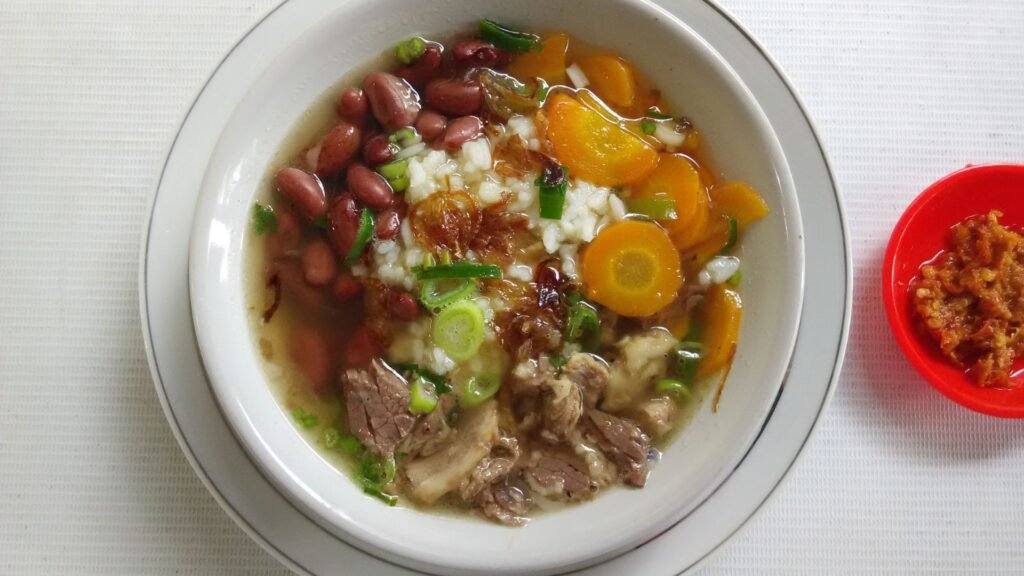
- Senerek soup Magelang: clear soup with red beans, fresh and light.
- Kupat tofu Magelang: soft peanut sauce, chewy kupat texture.
- Various local stir-fries: genjer, ferns, young papaya leaves, stir-fried green Lombok tempeh.
- Lodeh and brongkos vegetables: soft coconut milk sauce, earthy spices, filling.
Ideal Meal Time After Tour
Many family restaurants start to get busy from 12.00–15.00. Several shops near the sunrise spot tend to be ready early (around 07.00–08.00) to serve groups after enjoying the view. Dinner time 17.00–20.00 is suitable for a calmer atmosphere, especially if you want to end the day with hot rock sugar tea.
Curated List: Selected Traditional Restaurants & Stalls
(Listicle is based on field experience, local VW driver recommendations, as well as taste and atmosphere characteristics. Hours and prices are typical ranges in the Borobudur area—subject to change according to the holiday season.)
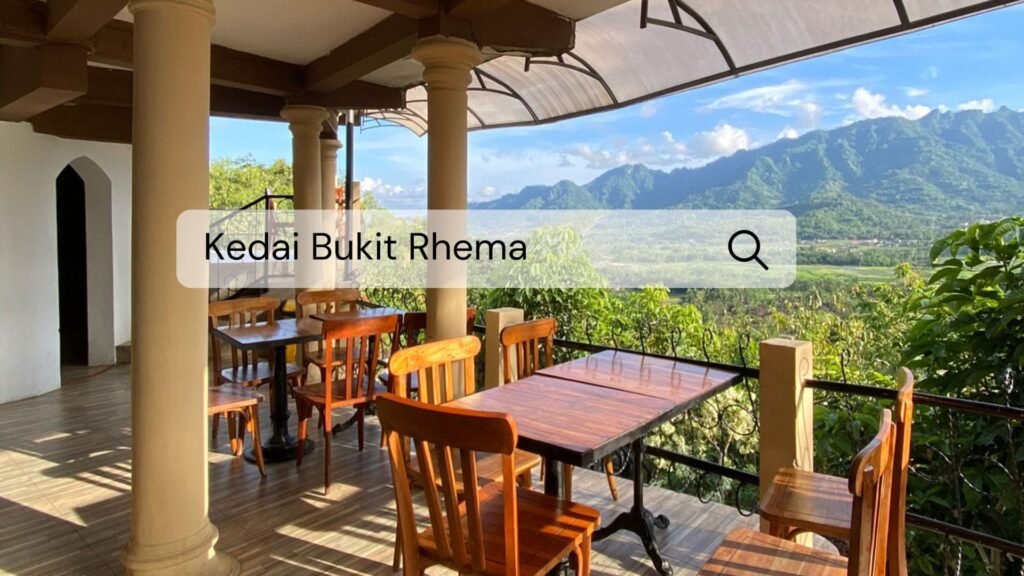
Bukit Tavern with Menoreh Landscape
Why stop? A combination of hill views, a practical rustic menu, and spacious seating for groups.
- Mainstay menu: mangut beong, chayote lodeh vegetable, stir-fried fern, garit tempeh, onion chili sauce.
- Price range: side dish-vegetable-rice packages ranging from economical to medium range; Family portion menu available.
- Opening hours: morning–dusk (around 06.00–19.00), suitable for stopping by after sunrise or in the afternoon returning from the tour.
- Capacity: accommodate a group; semi-outdoor area; small bus parking is available.
- Note: for VW groups, book a table in advance at lunch time.
Remumbu (Daily Javanese Kitchen)
Why stop? Highlights home-cooked spices with daily vegetable variations.
- Mainstay menu: stir-fry young papaya leaves, anchovies, boiled eggs, bacem chicken, cooked tomato chili sauce.
- Price range: economical homemade side dishes; Buffet packages for groups are available.
- Opening hours: day–night on weekends; noon on weekdays.
- Capacity: family table, buffet for 15–40 people.
- Note: suitable for those of you who want to “eat quickly” but still warm and authentic.
Naruastu (Market Snacks & Coffee)
Why stop? A sweet break between tour sessions: traditional snacks plus local coffee.
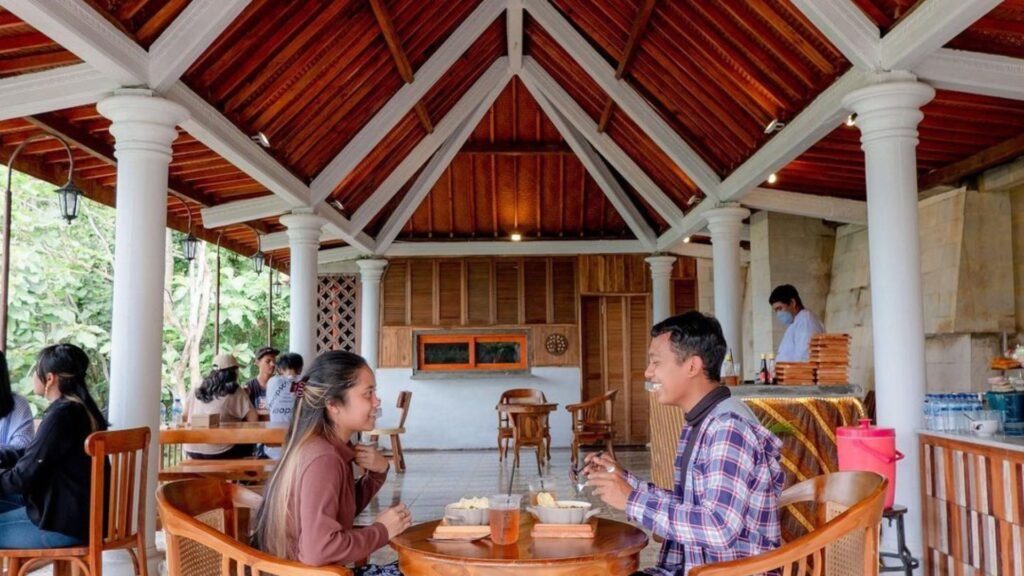
- Mainstay menu: getuk, cenil, klepon, tiwul, wedang ginger lemongrass, brewed coffee.
- Price range: pocket friendly per serving; snack box packages available.
- Opening hours: morning–afternoon, perfect for brunch after a rural VW route.
- Capacity: relaxing sitting area; suitable for photo content.
- Note: be careful—snacks run out quickly when the group is crowded.
Warung Mangut Beong Kali Progo
Why stop? Typical spicy smoked taste, close to the river flow which supports the freshness of the ingredients.
- Mainstay menu: mangut beong, stir-fried genjer, green chili sauce, cucumber-basil fresh vegetables.
- Price range: slightly above average stall due to type of fish; still affordable.
- Opening hours: around 10.00–16.00 (often sold out earlier in the holiday season).
- Capacity: limited; Fast circulation due to focused menu.
- Note: suitable for spicy lovers; ask for medium level if it’s your first time.
Typical Senerek Stall Magelang
Why stop? A light, clear red bean soup after a hot day.
- Mainstay menu: senerek soup, tempe mendoan, potato cakes, sticky rice ice tape.
- Price range: economical; the portions are suitable for all ages.
- Opening hours: morning–afternoon, some close when ingredients run out.
- Capacity: simple bench; small family friendly.
- Note: perfect for a late breakfast before the afternoon session.
Kupat Tahu Restaurant Magelang
Why stop? The Magelang icon is a must try, light savory peanut sauce.
- Mainstay menu: kupat tofu, bacem tofu, onion crackers, hot tea with rock sugar.
- Price range: very affordable.
- Opening hours: morning–afternoon; crowded on weekends.
- Capacity: long table; fast customer rotation.
- Note: ask for a spicy level of chili sauce according to taste.
Family Javanese Lesehan
Why stop? Atmosphere of a mat with a collage of home-cooked dishes.
- Mainstay menu: grilled chicken with soy sauce, tamarind vegetables, stir-fried water spinach, chili paste, tempe garit.
- Price range: economical family package; individual choice of side dishes.
- Opening hours: day–night.
- Capacity: broad; easy for the VW group.
- Note: order a package of “side dishes together” to be more efficient.
8) Pawon Hot Rain (Ndeso Kitchen)
Why stop? Daily menu changes, promoting local garden ingredients.
- Mainstay menu: seasonal gudeg manggar, lompong vegetables, stir-fried papaya flowers, lung bacem.
- Price range: middle; depending on material availability.
- Opening hours: adjust the harvest; usually afternoon–evening.
- Capacity: medium; atmosphere like a village dining room.
- Note: suitable for taste explorers who are looking for a unique menu.
Angkringan Menoreh (Evening)
Why stop? Closing the day with cheap snacks and casual chat.
- Mainstay menu: intestine satay, bacem, peanut sauce, stir-fried cat rice with tempe.
- Price range: very affordable per skewer/packaging.
- Opening hours: afternoon–evening (around 17.00–22.00).
- Capacity: folding chair; suitable for two to four people.
- Note: free choice—take enough so you don’t waste it.
Village Freshwater Fish Kitchen
Why stop? Center for processed catfish, gourami and tilapia with simple spices.
- Mainstay menu: fried gourami in tomato sauce, grilled tilapia in soy sauce, anointed vegetables, trancam.
- Price range: intermediate; a portion of fish can be shared by two people.
- Opening hours: day–night.
- Capacity: hall open to small groups.
- Note: ask for separate chili sauce to control the spiciness.
The “Taste” that Unites: Javanese Eating Philosophy in Borobudur
Javanese cuisine in this region emphasizes balance. Rice as the center, side dishes as a sign of the season, and chili sauce as a character enhancer. It’s not about being fancy or complicated, but rather “enough” and “just right”. Because of this, traditional restaurants in Borobudur often feel like coming home—after driving a VW, we are greeted with a familiar and encouraging menu.
Local Ingredients, Short Chain
Many stalls rely on neighbors’ garden vegetables: hydroponic pak choy, pumpkin, papaya leaves, spinach. River or village pond fish are selected when they are fresh. Short supply chains create a sense of stability and more rational prices. The impact is felt on the plate: crispy genjer, fragrant lime leaves, not too much coconut milk.
Family Portion and Group Package
VW groups often order the family package: rice, two main side dishes, vegetables, chili sauce, lalap, and iced tea in a pitcher. Apart from being more efficient, packages avoid long queues. For food photo content, rattan and banana leaf serving plates make attractive accents.
Making Choices: A Short Guide to the Mood
- Want smoky spicy? Choose mangut beong.
- Want something light and fresh? Senerek soup.
- Want sweet snacks and coffee? Market snacks + brewed coffee.
- Family group? A large spread of side dish packages.
- Casual dinner? Angkringan: take enough, chat for a long time.
Estimated Budget for 2–4 People
- Simple family package: portion of rice + 2 side dishes + vegetables + drink in a pitcher, suitable for 3–4 people.
- A la carte: one main side dish of fish/chicken + vegetables + chili sauce + rice per person.
- Market snacks: 3–5 items per person is enough for an afternoon coffee break.
Peak Hours & Queue Strategy
- Afternoon (12.00–14.00): peak group hours; avoid this time if you want to calm down.
- Afternoon (16.30–18.00): more serene atmosphere, suitable for small families.
- Weekends & long holidays: reservations are highly recommended so as not to wait long.
Tips & Recommendations
- Plan a VW route which ends near the preferred dining area so as not to detour.
- Book a group package for time and cost efficiency; communicate spicy preferences.
- Check the daily menu: some “seasonal” dishes sell out quickly—go early if you’re aiming for a specific menu item.
- Choose a semi-outdoor table if you want to photograph food with natural light.
- Bring enough cash: some stalls still prioritize cash payments.
- Prioritize mineral water or hot plain tea if you are sensitive to coconut milk.
- Be alert for allergies: tell me if you can’t eat anchovies/rebon shrimp in chili sauce.
- Maintain cleanliness & queuing etiquette: help stall colleagues, and the dining room remains comfortable for all.
FAQs
1) What dish best represents authentic Javanese cuisine in Borobudur?
Mangut beong, sop senerek Magelang, kupat tofu, as well as various stir-fried ndeso and vegetable lodeh. The taste is balanced, not too spicy or sweet.
2) What is the cost range for a family meal at a traditional Borobudur restaurant?
Generally pocket friendly. Mid-range family packages usually sleep 3–4 people; a la carte is also available to suit tastes.
3) When is the best time to come after a VW tour?
The afternoon before dusk is often quieter and more photogenic. However, if you are aiming for a certain menu, come before peak lunch time.
4) Are there non-spicy options for children?
Many. Clear soup, bacey tofu/tempeh, soy sauce grilled chicken, light sour vegetables, and sweet market snacks are safe for children’s tongues.
5) How to ensure food remains comfortable for the stomach?
Drink plain hot tea, control the portion of coconut milk, choose a medium spicy level, and combine side dishes with clear soup to neutralize it.
Go Home with a Relaxing Feeling
After a trip in the VW through the villages, Borobudur traditional restaurant become a warm point of return. Balanced Javanese flavors, fresh local ingredients and an intimate atmosphere create a dining experience that is hard to replace. You can choose from the mouth-watering mangut beong, fresh senerek soup, or market snacks for a sweet respite—every choice tells a story.
When you plan your next Borobudur route, pin one or two traditional eateries at the end of the itinerary. Order a family package or favorite daily menu, sit at a semi-outdoor wooden table, and capture the moment—let the flavors of Java close the day in peace.