
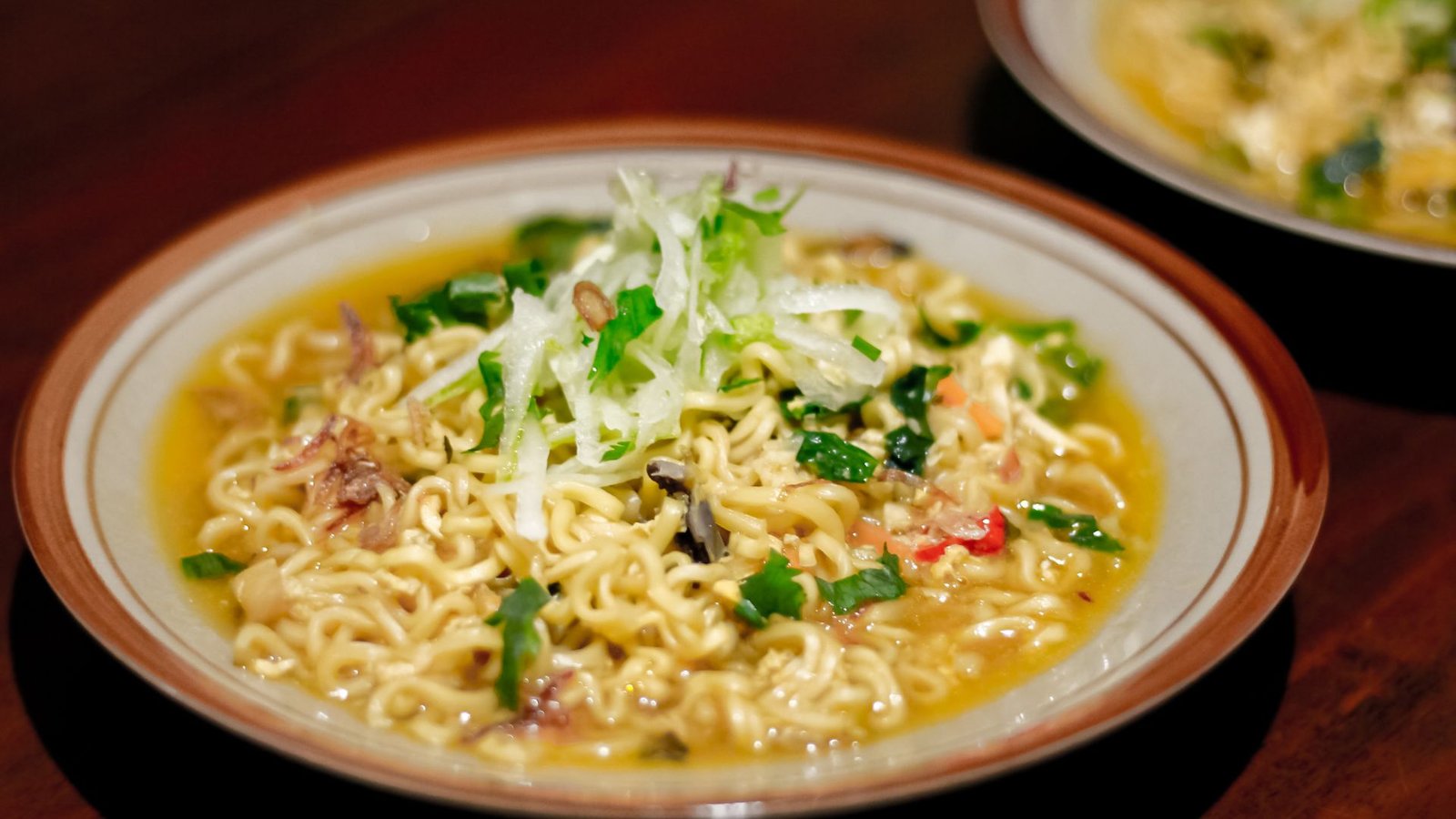
Day 2 — in the evening, I returned from the Tentrem Hotel after a day of traveling around Yogyakarta. Severe hunger appears as soon as you leave the parking lot; I feel like I need a warm bowl to seriously fill my stomach. I headed to Bakmi Kadin in Kotabaru—a name often recommended for Javanese noodles classic. In front of a gently smoking charcoal wok, I stood, waiting for my turn while imagining the savory sauce and duck eggs.
Why I Came to Bakmi Kadin
I chose Bakmi Kadin for two main reasons: the charcoal cooking method and the duck egg option. They’re not just “old styles”—they’re factors that influence aroma, taste, and texture. Charcoal adds a non-aggressive “smoky” touch, while duck eggs lend a mild-savory character to the sauce and filling. Kotabaru is also strategically located; easily accessible from the city center area and surrounding hotels. For those of you who intend to have dinner after busy activities, this is the type of place that can provide warmth without much ado—come, queue, enjoy, go home with a satisfied stomach.
Also Read: Recommendation Cafe Borobudur
Bakmi Kadin Eating Experience
When we arrived, the queue was neat. Night is indeed the golden time for Bakmi Jawa—delicious to eat at night, and here it feels clear: people come to eat slowly, chat moderately, and end the day with something warm. I waited about 20–25 minutes (approx order waiting time here it takes 15-30 minutes, depending on whether it’s busy or not). The aroma of charcoal wafts from the rows of woks, and it makes a nice “appetizer” before the food arrives.
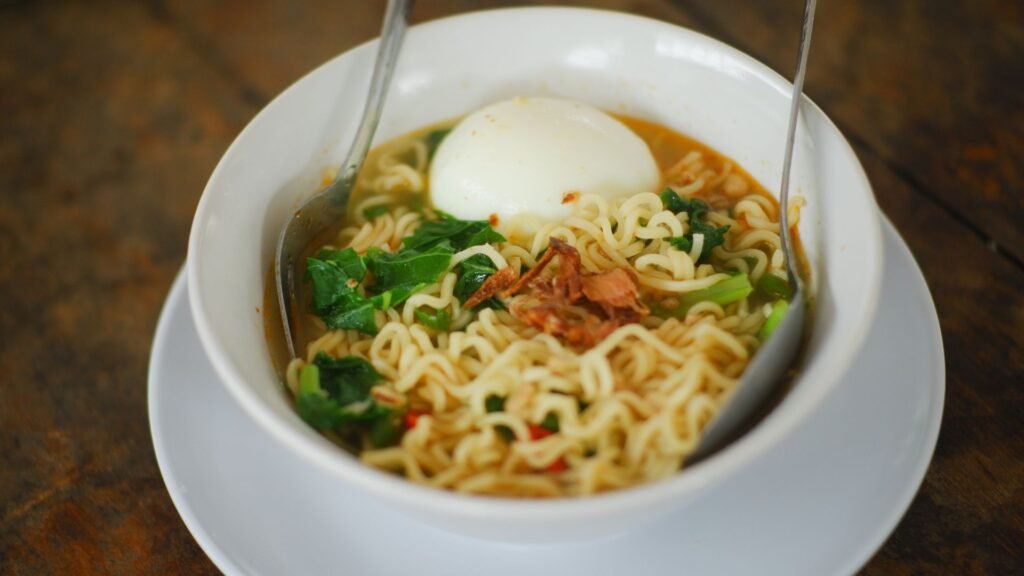
I ordered duck egg godhog noodles. The soup appears clear golden, with a thin layer of oil that reflects the light of the lamp. The classic filling comes complete: soft yellow noodles, shredded chicken, a little cabbage, tomatoes, celery, and of course duck eggs which provides a soft savory taste and a “denser” texture than chicken eggs. A hint of pepper and fried onions add aromatics, while charcoal smoke—carried over from the initial sautéing process—gives it a touch smoky smooth at the back.
Taste & texture:
- Gravy: savory “broth”, not the type that overpowers with spices; clean aftertaste, not unpleasant.
- Mi: cooked with precision; not soft, still has bite.
- Duck Eggs: the egg yolk feels more “full” and rich; gives body to the gravy.
- Smoky-charcoal: not a burnt taste, but a subtle aroma that appears every once in a while when you take a bite.
If you’re the type who likes a bolder flavor profile, add chili sauce and a little soy sauce. I added half a spoonful of chili sauce—just enough to lift the sauce without drowning out its basic character. The portion of godhog noodles here is “just right to fill”; for me that very hungry after walking around the city, a bowl of this feels soothing.
Total duration on site I have 50 minutes: queue, cook, eat, and rest for a while. The flow flows naturally: come—take order—wait on a long chair—order delivered—after eating, pay straight away at the cashier.
Practical Information You Need to Know
- Delicious to eat when: Evening.
- Peak hours: 19.00–22.00 is the highlight of the visit; queues are usually longer in this range.
- Motorbike/car parking: Roadside. Arrive a little early to get a more comfortable position.
- Brief history: It’s been standing ever since ±1947, making it one of the old Bakmi Jawa references in Yogyakarta.
- Order waiting time: Average 15–30 minutes, depending on the queue and type of order.
- Ideal visit duration: 40–60 minutes enough to queue, eat, and rest for a while.
Short Chat with Bakmi Kadin Employees
I had a brief chat to confirm several things that visitors often ask. Here’s the summary:
- What’s the difference between godhog noodles vs fried noodles?
Godhog uses broth so that the taste is softer-savory; Fried without sauce, the spices stick better to the noodles with a sweet-savory touch. - Keep using charcoal?
The main cooking process relies on frying pan over charcoal to maintain the distinctive aroma. That night I did see rows of charcoal pans working non-stop. - Duck eggs always available?
Usually available, but when peak hour there is a possibility finished quickly. If you must use duck eggs, it’s best to come early. - When does the best time come?
Generally before 19.00 or after 21.00 The queue is friendlier, especially if you come in a group or bring children.
- Bakmi Kadin (Kotabaru): strong in classic style—Charcoal wok and duck eggs provide a neat and clean taste experience. Strategic location, suitable for the evening culinary route from the city center.
- Bakmi Mbah Gito: many people come to the feel of the place a unique and distinctive space experience. It also feels sought after, but the atmosphere becomes an additional magnet that is different from Kadin.
- Bakmi Pak Pele: popular for culinary evening Also, with a spice character that is loved by many people. Iconic locations often attract queues of tourists.
Everyone has their own fans. If you want subtle smoky profile from the charcoal plus duck egg option which enriches the sauce, Kadin feels the most “right on target”.
Also Read: Warung Ndeso in Yogyakarta: “Home” Breakfast at Warung Kopi Klotok (Pakem)
Tips for visiting Bakmi Kadin
- Come outside peak hours: Try to arrive before 19.00 or after 21.00 to reduce queues.
- Just mention preferences: Want duck eggs, spicy level, or the addition of fried onions—say this from the start so it cooks just right.
- Message strategy:
- Godhog for a warm, comforting broth.
- Fried when you want the flavor to stick to the noodles with a little caramelization of the spices.
- Request shred more if you like the texture of the chicken more pronounced.
- Bringing children? Choose a table slightly to the edge so it’s not too close to the row of charcoal pans (safer and more comfortable).
- Roadside parking: Bring a small amount of money to the local parking attendant and choose a side of the road that does not interfere with the flow of vehicles.
- Prepare time: Average 15–30 minutes to queue/cook—consider it part of the experience of seeing the charcoal griddle in action.
- Portions & sides: If the stomach is very hungry, add tofu/tempeh bacem or satay (if available) to be more complete.
A Little Sense Reading
- Charcoal: The stir-fry stage over charcoal makes the basic spices more “ripe” and aromatic. Charcoal fires tend to be steady, giving the spices a chance to gradually release their fragrance—the result smoky which does not dominate.
- Duck Eggs: have richer egg yolk so that when mixed in sauce or stir-fried, it contributes flavor layered savory as well as a pleasant “slippery” sensation on the tongue. This combination makes a bowl of noodles that is not only delicious at first bite, but also delicious clean aftertaste—You stop eating not because it feels good, but because the bowl is empty.
FAQs – Frequently Asked Questions
Apakah wajib pesan telur bebek?
Tidak wajib, tapi saya rekomendasikan untuk pengalaman rasa yang lebih kaya.
Porsi kenyang nggak?
Untuk makan malam, satu porsi cukup mengenyangkan.
Bisa minta pedas?
Bisa. Minta sambal terpisah untuk kontrol rasa
Bawa rombongan?
Bisa, tapi datang lebih awal dan siap antre lebih lama di jam puncak.
Payment?
Siapkan uang tunai; jika tersedia opsi nontunai, anggap bonus—jangan bergantung.
- Team Godhog: You like sauce that absorbs slowly, is warm, and comforting. Suitable to eat slowly while chatting.
- Fried Team: You like a more prominent spice character attached to the noodles, with a slight sensation smoky which feels clearer.
If in doubt, come together and order two cooking styles—exchange bribes—so you can decide your own team.
Comfortable dining flow at Bakmi Kadin
- Arrive – take a position in line: Make sure the order is clear.
- Monitor the rhythm of the pan: It’s fun to see spices being stir-fried over charcoal; it’s part of the experience.
- When the food comes: Taste the soup first (for godhogs) before adding chili sauce or soy sauce—get to know the “real taste” at the start.
- End calmly: Once you’re done, make room for the next diner—table turnover at peak times is pretty quick.
- Photo angle: Pick from the side of the charcoal pan to catch the light smoke—a “process” story will strengthen the narrative.
- Plating details: Highlight duck egg yolk and sliced tomato/celery which adds color.
- Storytelling: Emphasize “night—warm—smoky”—these three keywords easily stick in the audience’s memory.
Mandatory. Three key questions: smoky, savory, legend. Bakmi Kadin packages the Bakmi Jawa experience that is honest at the source of its taste: charcoal pan and duck eggs. For those of you who are looking for a warm dinner after a day of traveling around Yogyakarta, a bowl here will end the day just right—no gimmicks, just flavors prepared patiently and carefully.
Compact Data
- Culinary type: Bakmi Jawa (godhog/fried)
- Location: Kotabaru, easy to reach from the city center
- Mainstay: Charcoal cooked, option duck eggs
- Peak hours: 19.00–22.00
- Parking: Roadside
- Since: ±1947
- Waiting time: 15–30 minutes
- Duration on site: 40–60 minutes
- Best times: before 19.00 or after 21.00