
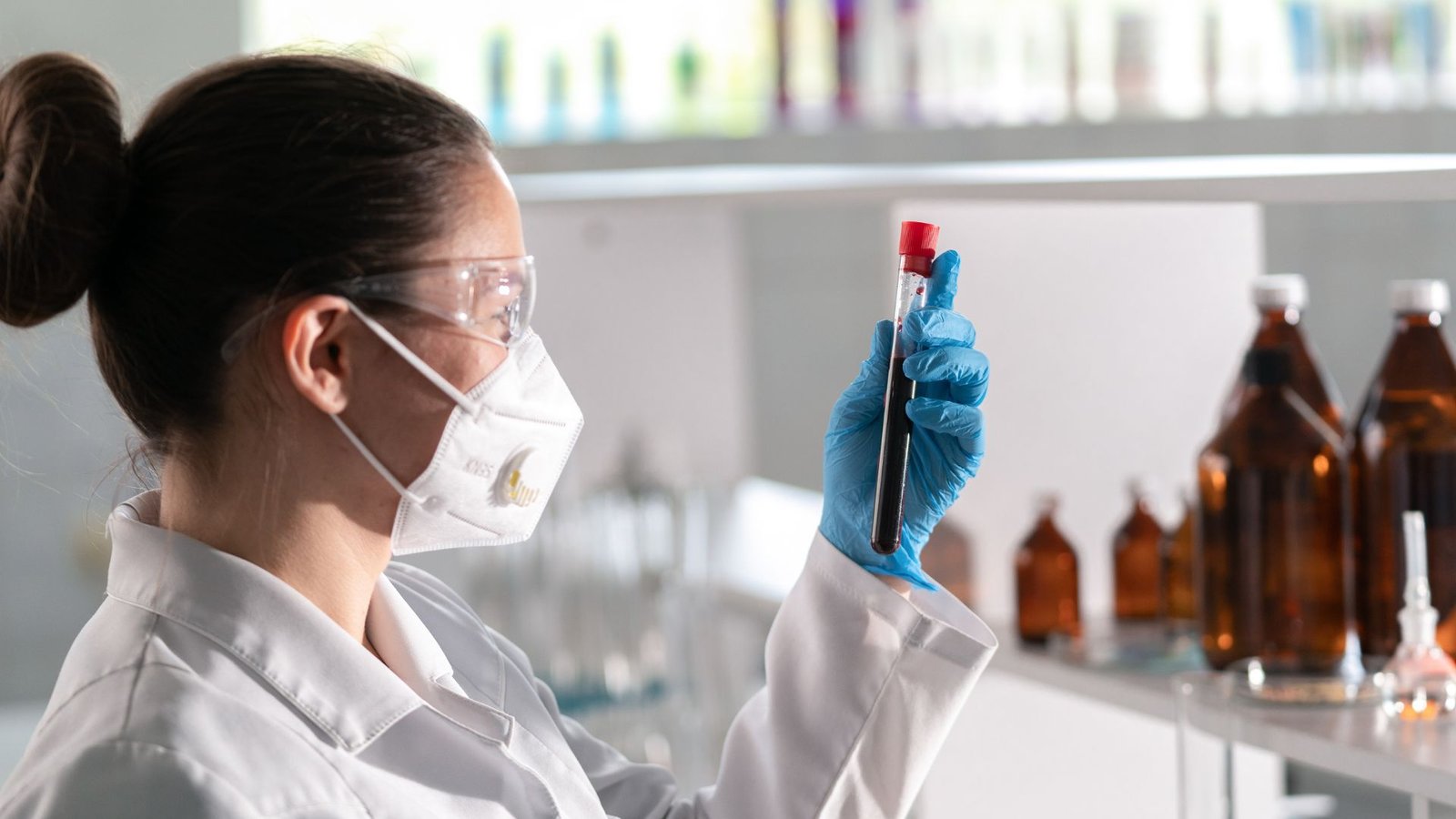
The worlds of medicine and law are two fields that often intersect in efforts to seek justice, especially through the discipline of judicial medicine. The general public often confuses the roles of forensic doctors and medicolegal experts, even though both have different focuses and responsibilities in the legal corridor. Forensic medicine focuses more on the application of medical science for the purposes of criminal justice, while medicolegal covers broader legal aspects of medical practice itself.
The presence of these experts is crucial in helping law enforcement officials, from police investigators to judges at trials, to understand technical medical evidence. Without accurate analysis from a medical perspective, many criminal cases and health legal disputes may be difficult to resolve objectively. Through the integration of science and legal procedures, forensic doctors and medicolegal experts ensure that every medical fact can be accounted for before the law.
This article will review in depth the fundamental differences between the two professions, the scope of work of each, and their significant contributions to the Indonesian justice system. It is hoped that a clear understanding of the role of forensic and medicolegal doctors can provide new insight for the public regarding the complexity of medical science in the legal field.
An Exploration of Forensic Medicine in Criminal Investigation
Forensic medicine is a branch of medical science that uses medical knowledge to assist the process of law enforcement and justice. Its main role is to carry out examinations of human bodies, both living and deceased, to look for medical evidence related to a crime. The main focus of this discipline is answering questions regarding the cause of injury, the time of injury, and the mechanism of death in cases that are considered unnatural.
Forensic examination is not only limited to the autopsy table in the morgue, but also includes examination of living victims of violence. Forensic doctors play an important role in documenting injuries to victims of abuse, sexual violence, and traffic accident victims. The results of this examination are then expressed in the form of an official document known as Visum et Repertum for investigative purposes.
Forensic Pathology and Examination of Cadavers
Forensic pathology is the sub-section that is best known to the public because of its connection to examining corpses or autopsies. The main task of a forensic pathologist is to determine the exact cause of death (cause of death) and mechanism of death (mechanism of death) through medical surgery. They are also tasked with estimating the time of death based on the changes that occur in the body of the corpse after life has passed away.
The autopsy process is carried out systematically, starting from external examination to examining internal organs to find any abnormalities or traces of violence. Apart from that, forensic pathologists also often have to take tissue or body fluid samples for other supporting examinations. This is done to ensure that no internal factors such as disease or poisoning are missed in the final analysis.
Identification and Toxicology Techniques
In cases where the identity of the body is difficult to identify, forensic doctors work together with odontologists and DNA experts to carry out identification. The use of primary data such as dental records, fingerprints and DNA profiles is the main key in restoring the identity of someone who has died. This process is very vital, especially in cases of mass disasters or the discovery of bodies that are decomposed or badly damaged.
Apart from physical identification, forensic toxicology examination is also an integral part in determining the presence of foreign substances in the victim’s body. Forensic experts will look for traces of illegal drugs, poison or alcohol which may be the cause or contributing factor to the death. The results of this laboratory analysis provide very strong scientific evidence to confirm or disprove allegations of certain criminal acts.
The Strategic Role of Medicolegal in Health Regulation
In contrast to forensic medicine which focuses on physical evidence, medicolegal focuses more on the relationship between medical practice and applicable laws and regulations. This field includes the study of how the law regulates the medical profession and how doctors must act to stay within the law. Medicolegal experts often act as a bridge between hospital policy, professional ethics, and legal demands from patients or external parties.
Medicolegal has an important role in minimizing the risk of lawsuits against medical personnel and health facilities through implementing strict operational standards. They ensure that every medical action carried out meets the elements of legality, including in terms of administration and medical documentation. Medicolegal knowledge is needed in handling cases of alleged medical malpractice involving disputes between doctors and patients.
Medical Ethics and Handling Malpractice
One of the main pillars in the medicolegal field is an in-depth understanding of medical ethics and health law. Medicolegal experts are tasked with evaluating whether a doctor has carried out his duties in accordance with applicable professional standards and standard operational procedures. If medical negligence is suspected, they will analyze whether there are elements of loss, breached obligations, and a clear cause-and-effect relationship.
Malpractice cases often involve a great deal of complexity due to having to differentiate between unavoidable medical risks and outright negligence. Medicolegal experts provide an objective view of the legal position of doctors in facing civil and criminal charges. They also play a role in the mediation process to resolve medical disputes outside of court to reach a fair agreement for both parties.
Consent to Medical Procedures and Medical Records
Approval of medical treatment or informed consent is a medicolegal document that is very crucial in every health service. Medicolegal experts ensure that the process of providing information to patients has been carried out completely and is properly understood before action is taken. This document functions as legal protection for doctors as well as respecting the patient’s right to autonomy in determining their own fate.
Apart from that, managing medical records is also a major concern in the medicolegal aspect because it is the most authentic written evidence in health services. Complete, accurate and timely medical records are the main defense for medical personnel if a legal dispute occurs in the future. Medicolegal experts often provide training for medical staff on how to properly document so that it has strong evidentiary value in court.
Ads: Information on professional educational institutions for Midwifery and Physiotherapy, as well as covering various needs for skilled health workers, you can visit https://poltekkesmakassar.org/historic/ And https://poltekkespalembang.org/kontak/
Fundamental Differences Between Forensic and Medicolegal
Even though both fall under the umbrella of judicial medicine, there are fundamental differences in the object of the examination and its ultimate goal. Forensic medicine deals with the human body as an object of evidence to reveal facts related to criminal events or suspicious deaths. On the other hand, medicolegal deals more with documents, procedures, ethics, and regulations that govern interactions between doctors, patients, and the law.
Another difference lies in the scope of cases handled by each of these disciplines in daily practice. Forensic doctors usually work under the orders of police investigators for pro-justice purposes in handling cases of murder, rape or accidents. Meanwhile, medicolegal experts are more often involved in hospital administrative matters, insurance claims, patient rights disputes, and defense of the medical profession.
Analysis Focus and Document Output
The focus of a forensic doctor’s analysis is on the biological and pathological aspects of an individual to determine what has happened to the body. Their main output is the Visum et Repertum which contains objective medical findings and expert conclusions regarding injuries or cause of death. This document has a very strong legal position as documentary evidence in criminal trials according to the Criminal Procedure Code.
Meanwhile, medicolegal experts focus more on juridical analysis of medical actions carried out by a health practitioner. Their output can be in the form of a legal opinion, a medical audit report, or a recommendation for the hospital’s internal policy regarding legal compliance. They evaluate whether the procedures carried out are in line with health laws, medical ethical codes and human rights.
Involvement in the Litigation Process
In the litigation process, forensic doctors often appear at trial as expert witnesses to explain their medical findings orally in front of the judge. Their presence aims to shed light on a criminal case so that judges can make fair decisions based on scientific facts. The forensic doctor’s explanations help translate complex medical language into legal language that can be understood by the court apparatus.
Medicolegal experts may also be present at the hearing, but their role is usually more about explaining the standards of medical care and the limits of legal liability. They provide a perspective on whether a doctor has acted within his or her authority or whether there has been an administrative violation that has legal implications. In many civil cases, the role of medicolegal experts is crucial in assessing the amount of loss and civil liability that must be borne.
Work Procedures and Contributions in the Justice System
Work procedures in the field of judicial medicine must be carried out with a very high level of precision because they involve a person’s legal fate. Every step of the examination, from receiving the post-mortem request letter to submitting the final report, must follow legally valid protocols. Small errors in examination procedures or documentation can result in the medical evidence being rejected or deemed invalid in court.
The contribution of forensic doctors and medicolegal experts in the justice system is not only limited to uncovering crimes, but also to protecting individual rights. With objective medical evidence, an innocent person can be free from false legal accusations. On the other hand, criminals cannot escape the law when medical facts irrefutably show their involvement.
Making an Accurate Visum et Repertum
Visum et Repertum is a written report made by a doctor at the request of an investigator regarding the results of a medical examination of a human. The preparation of this document must meet certain criteria, such as using good and correct Indonesian and avoiding medical terms that are too technical without explanation. This report is divided into several parts, starting from the introduction, reporting (examination results), to the final conclusion which is an expert opinion.
Accuracy in writing the Visum et Repertum greatly determines the direction of the investigation carried out by the police. If a forensic doctor finds a distinctive wound pattern, this can provide clues about the type of weapon or object used by the perpetrator. Therefore, the integrity and objectivity of doctors in compiling this report is a fixed price that cannot be negotiated in the law enforcement system.
Chain of Custody for Evidence
One of the crucial aspects in forensic work is maintaining the chain of custody of evidence or what is known as the chain of custody. Any biological samples, clothing, or projectiles found on a victim’s body must be recorded and sealed using very strict procedures. The aim is to ensure that the evidence is not contaminated, confused or manipulated by any party during the investigation process.
Medicolegal experts also ensure that all medical documents related to legal cases are stored safely and can only be accessed by authorized parties. Failure to maintain the chain of custody of evidence can cause the evidence to lose its evidentiary value in the eyes of the judge. This shows that judicial medicine work is not only a matter of medical expertise, but also discipline in carrying out administrative legal procedures.
Challenges and Future of Justice Medicine
Along with advances in technology and changes in social dynamics, judicial medicine in Indonesia faces increasingly complex challenges. The emergence of new types of crime such as cybercrime which has an impact on mental and physical health requires a more modern forensic approach. Apart from that, increasing public legal awareness also requires medicolegal experts to be more proactive in educating health workers about legal risks.
In the future, integration between digital technology and medical examination will become a new standard in the world of forensics and medicolegal. The use of three-dimensional (3D) medical imaging and virtual autopsy (virtopsy) is starting to be developed to minimize invasive procedures on corpses without reducing the accuracy of findings. The main challenge is how to reconcile these technological advances with legal regulations that often lag behind scientific developments.
Integration of Digital Forensic Technology
Digital technology is now starting to penetrate the forensic examination space through the use of laser scanners and advanced radiology. With the help of this technology, forensic experts can digitally document the crime scene and the condition of the victim’s body with millimeter precision. This digital data can then be stored permanently and played back in the courtroom as a visual simulation that makes it easier for judges to understand the mechanism of injury.
Apart from that, the use of artificial intelligence (AI) in analyzing toxicological data and genetic profiles is also predicted to speed up the investigation process. AI can help compare thousands of data from previous cases to find similar patterns or provide predictions regarding the perpetrator’s profile. However, the use of this technology must still be under the strict supervision of human experts to ensure ethics and fairness are maintained.
Adjustment to New Regulations and Standardization
The enactment of the new Health Law in Indonesia has brought significant changes to medical practice, including in the forensic and medicolegal fields. This regulation demands clearer competency standards for experts working in the legal world to guarantee service quality. Increasing human resource capacity through continuing education and special certification is an urgent need for judicial medical institutions.
Cross-sectoral cooperation between the Ministry of Health, the Police and judicial institutions also needs to be strengthened to create a solid law enforcement ecosystem. The standardization of forensic laboratories throughout Indonesia is expected to eliminate the gap in examination quality between urban and remote areas. With an integrated system and supporting regulations, judicial medicine will continue to be the main pillar in realizing justice in Indonesia.