
Magelang have their own way of welcoming traditional food. This city, surrounded by hills and quiet villages, never feels rushed. Eating at Magelang is often not about getting full quickly, but about sitting longer, chatting quietly, and enjoying flavors that tell a story. In an atmosphere like this Lontong Cap Go Meh it just feels right—a dish that’s not just about spices, but also history and togetherness.
If you are in Magelang, or are just curious about traditional culinary delights that are full of meaning, Lontong Cap Go Meh could be an interesting entry point to getting to know culture through taste.
Also read: Kedai Bukit Rhema
What is Lontong Cap Go Meh?
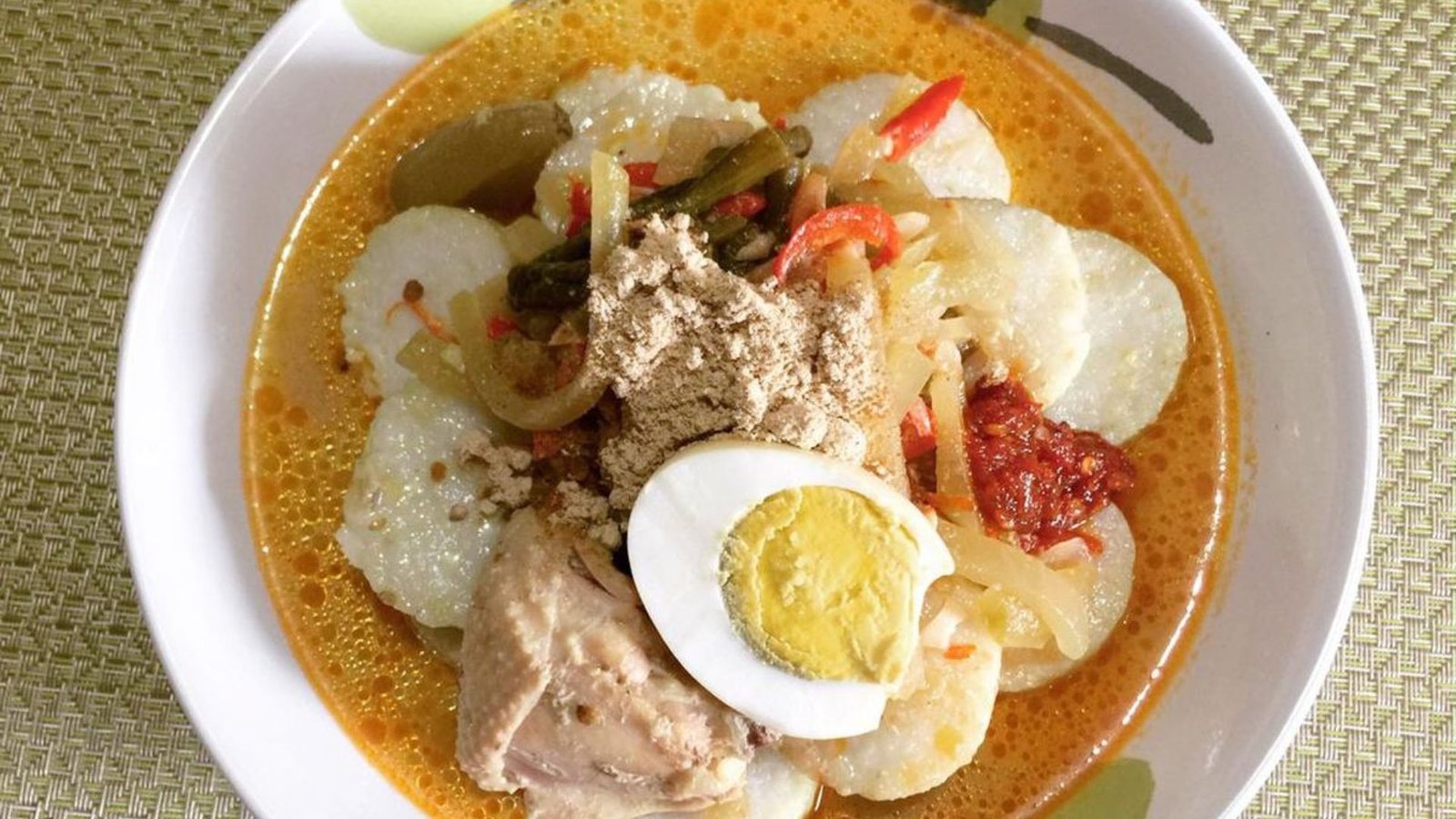
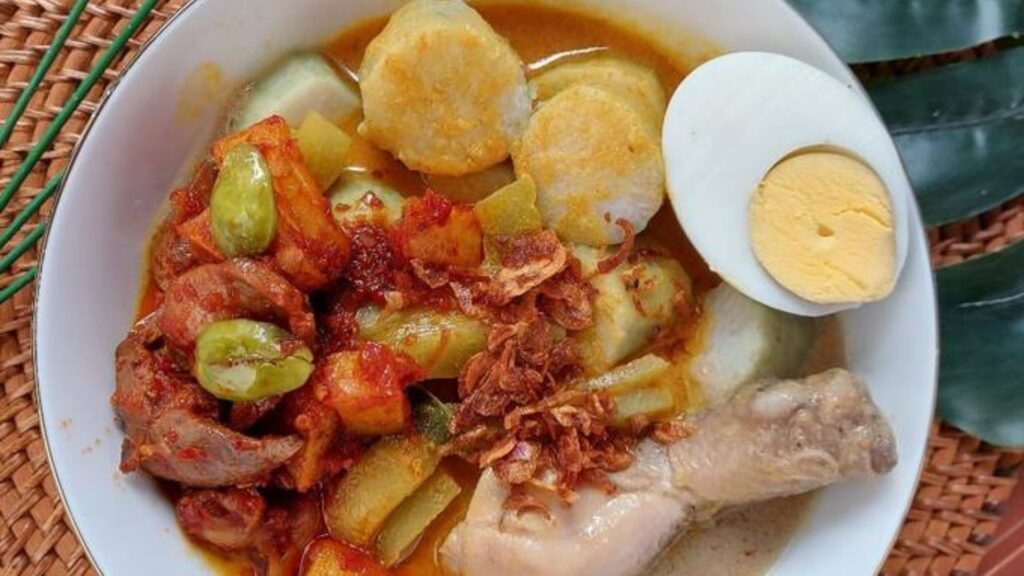
Lontong Cap Go Meh is a lontong-based dish served with various side dishes and savory sauces. On one plate there is usually lontong, chicken opor, fried chili sauce, eggs, sometimes added lodeh vegetables or soybean powder. At first glance the appearance reminds of Eid dishes, but the taste has its own character.
What makes it special is not just the composition, but the context behind it. born from the meeting of Chinese and Javanese culture. It is not just an adaptation, but the result of a long process of living side by side, getting to know each other, and sharing traditions through food.
Why is Lontong Cap Go Meh a unique blend of flavors?
The uniqueness of Lontong Cap Go Meh is in its balance of taste. Savory from coconut milk, light from lontong, spicy that doesn’t dominate, and a warm aroma of spices. There is no one taste that stands alone. Everything complements each other.
This is where you can experience how culture influences the kitchen. Opor and fried chili sauce are flavors familiar to the Javanese palate, while their presentation in the context of Cap Go Meh gives a touch of Chinese meaning. The result is not a “mixed-up” meal, but a dish that feels complete and is comfortable to eat at any time.
Who Usually Makes and Serves Lontong Cap Go Meh?
Traditionally, Lontong Cap Go Meh is often made by Peranakan Chinese families, especially during the Cap Go Meh celebration – the 15th day after Chinese New Year. However, over time, this dish is also widely cooked by Javanese families and local culinary practitioners.
In Magelang, Lontong Cap Go Meh is no longer exclusive. He is present in home kitchens, family events, and several eating places that offer traditional menus. Usually made by people who are familiar with home kitchens, not just looking for appearance, but keeping the taste “telling the story”.
When is Lontong Cap Go Meh usually served?
Traditionally, it is served during the Cap Go Meh celebration, which marks the end of the Chinese New Year series. This moment is synonymous with togetherness, prayer and eating with the extended family.
But in Magelang, you don’t have to wait for a certain moment to enjoy it. Some places serve it on weekdays, especially on weekends or holiday seasons. Early morning is often the right time—when the air is still cool and your stomach is ready to accept warm food.
Where can Lontong Cap Go Meh be found in Magelang?
You can find Lontong Cap Go Meh at Magelang in several forms. Some are sold at home at certain moments, there are also those that appear in eating places that carry the concept of tradition and experience.
One place that is often chosen to enjoy local dishes is Cafe Bukit Rhema. The location is in a hilly area, with a calm atmosphere and natural views that help you enjoy food without rushing.
This cafe is suitable for those of you who want to eat while taking a break from activities, whether with family, friends, or just enjoying your alone time. here it is usually enjoyed as part of a culinary experience, not just a fast food menu.
What is the history of Lontong Cap Go Meh?
Lontong Cap Go Meh started from a cultural acculturation process. When Chinese people settled in Java, they adapted to local materials and customs. Rice processed into lontong, coconut milk and Indonesian spices are starting to enter their kitchens.
Cap Go Meh itself is the closing of the Chinese New Year celebration. To mark this moment, the Peranakan Chinese community serves food that symbolizes blessings and togetherness. Lontong was chosen because it is practical, filling and easy to share.
From the family kitchen, it then spread to the wider community. He is a symbol that cultures can meet without having to lose each other’s identities.
Also Read: Lontong Cap Go Meh at Magelang: Stories of Taste, Tradition, and How to Enjoy It
Lontong Cap Go Meh and the Experience of Eating at the Cafe Bukit Rhema
Enjoying Lontong Cap Go Meh in the Bukit Rhema area gives a different dimension. It’s not just about taste, but atmosphere. The cooler air, green scenery, and slow eating rhythm make this dish feel more “alive”.
This place is suitable for those of you who:
- Want to eat while enjoying nature
- Come with a cross-age family
- Looking for a quiet culinary experience, not crowded
A good time to visit is usually mid-morning or late afternoon, when the light is soft and the atmosphere is not too busy.
Quick Tips Before Enjoying Lontong Cap Go Meh at Magelang
- Come with free time: best enjoyed without rushing.
- Pay attention to portions: This dish is quite filling, perfect for a main meal.
- Adjust the visit time: Morning or evening often provides the most comfortable experience.
- Come with those closest to you: The story behind this food feels warmer when shared.
Apa bedanya Lontong Cap Go Meh dengan lontong opor Lebaran?
Perbedaannya terletak pada konteks budaya dan komposisi rasa. Lontong opor Lebaran biasanya disajikan saat Idulfitri dengan bumbu opor yang dominan gurih santan. Sementara dari Tionghoa Peranakan, disajikan saat Cap Go Meh, dan sering dilengkapi lauk tambahan seperti sambal goreng, telur pindang, atau bubuk kedelai yang memberi lapisan rasa berbeda.
Cap Go Meh itu apa, dan mengapa Lontong Cap Go Meh identik dengan perayaan tersebut?
Cap Go Meh adalah hari ke-15 setelah Tahun Baru Imlek, sekaligus penutup rangkaian perayaannya. Pada momen ini, keluarga biasanya berkumpul dan makan bersama. dipilih karena melambangkan kebersamaan dan keberkahan, sekaligus hasil adaptasi budaya lokal yang akrab dengan bahan Nusantara.
Lontong Cap Go Meh biasanya terdiri dari apa saja?
Dalam satu porsi Lontong Cap Go Meh umumnya terdapat lontong, opor ayam, telur, sambal goreng, dan sayuran pelengkap. Di beberapa daerah, termasuk Magelang, komposisinya bisa menyesuaikan selera lokal, namun tetap mempertahankan rasa gurih, hangat, dan seimbang
Apakah Lontong Cap Go Meh hanya bisa dinikmati saat perayaan Cap Go Meh?
Secara tradisi, hidangan ini memang disajikan saat Cap Go Meh. Namun sekarang, bisa dinikmati di luar momen perayaan, terutama di tempat makan yang mengangkat kuliner tradisional. Di Magelang, beberapa tempat menyajikannya pada hari tertentu atau saat akhir pekan.
Bagaimana cara memilih tempat makan Lontong Cap Go Meh yang cocok untuk keluarga?
Pilih tempat yang suasananya tenang, memiliki area duduk yang nyaman, dan tidak terlalu bising. Untuk keluarga, lokasi dengan akses mudah, area luas, serta pemandangan atau ruang terbuka akan membuat pengalaman makan lebih santai—terutama jika datang bersama anak-anak atau orang tua.
Lontong Cap Go Meh is not just a traditional menu. It is a story about cultural encounters, about home kitchens that are open to anyone, and about slow but meaningful eating habits. At Magelang, this dish finds its place—between serene nature and people who still value mealtime as a shared moment.
If one day you want to enjoy food that not only fills your stomach, but also gives you a warm feeling from the story, it’s worth trying, in a relaxed way, at a time of your own choosing.