Home Blog Page 14

Warung Ndeso in Yogyakarta: “Home” Breakfast at Warung Kopi Klotok (Pakem)

0

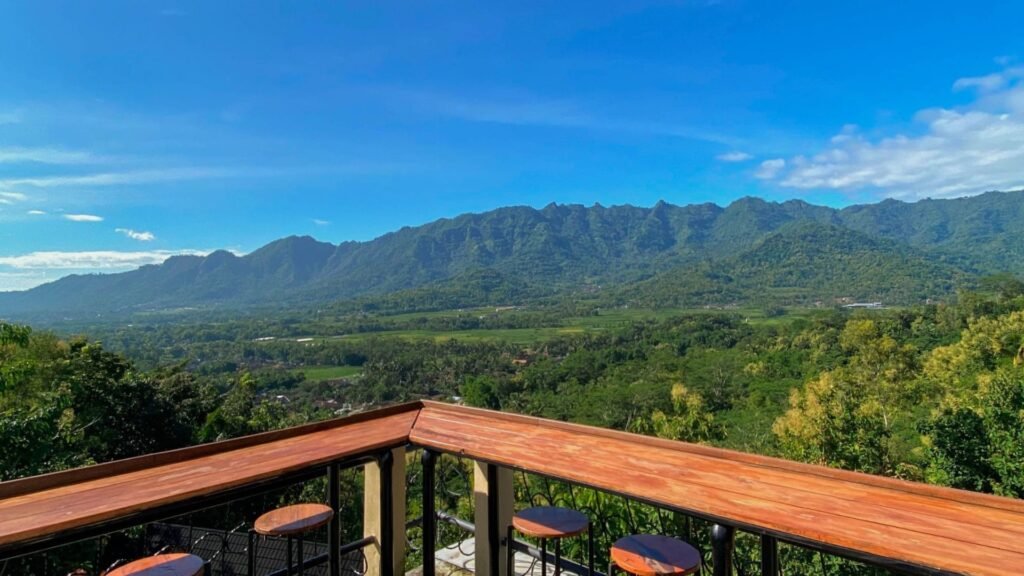
Day 2 – Morning from Tentrem Hotel; finished running north. I started the motorbike, the Kaliurang air was still cold and calming. My hunger is only mild, more like wanting a breakfast that is familiar to the tongue and comfortable for an empty stomach. I already imagined it in my head ndeso stall with a large frying pan, warm rice, and clear lodeh sauce. My choice fell on Klotok Coffee Shop in Pakem, a place that friends often call when they need it home-cooked breakfast with a rice field atmosphere.


Why I Came to Klotok Coffee Shop

https://youtu.be/iDbReGMAsg8?si=xKUui7LHQZPMDIiI

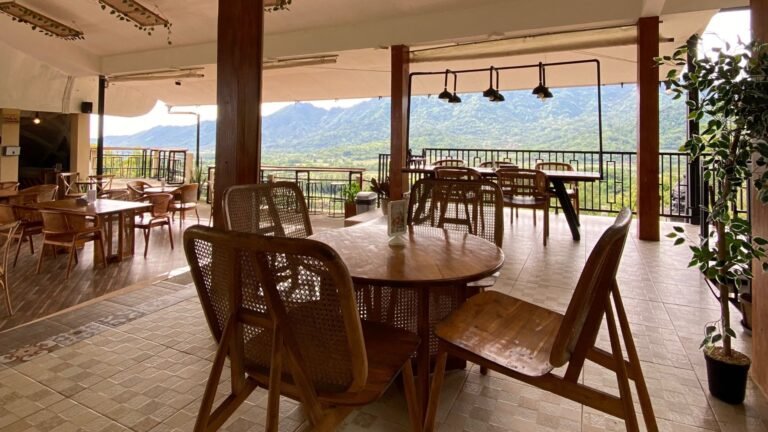
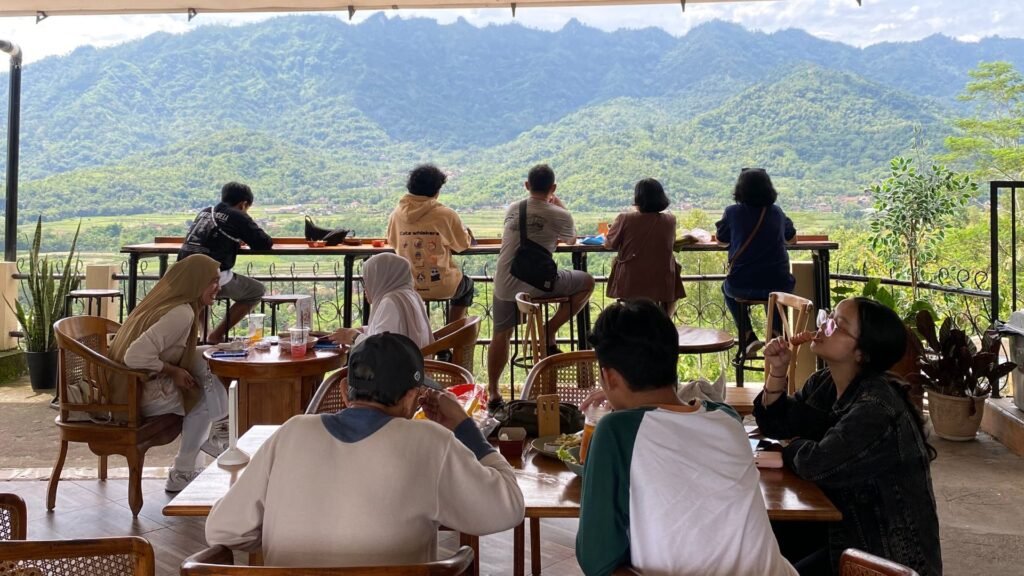
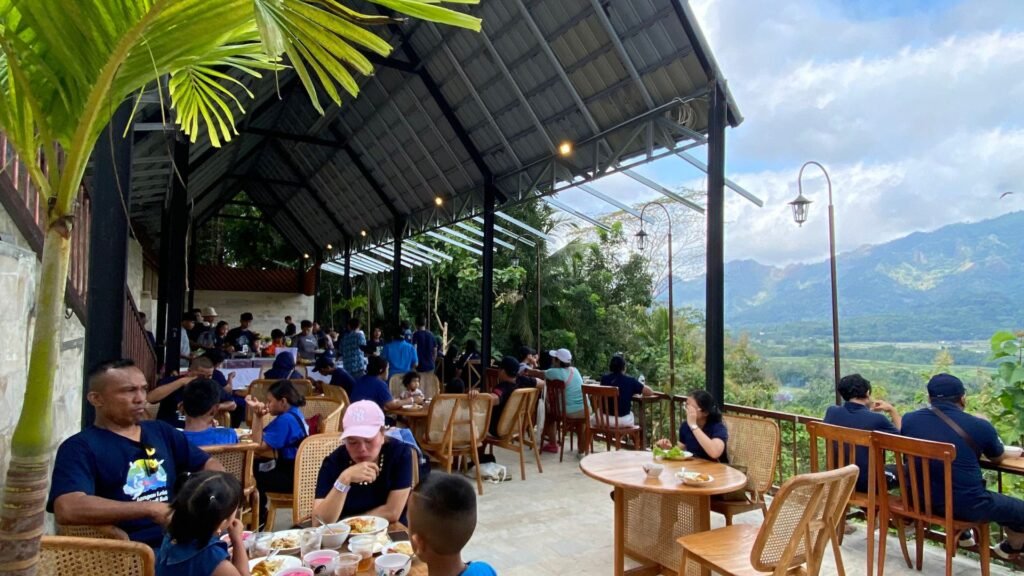
Yogyakarta always has a way of embracing people who are looking for peace. Stall Klotok Coffee offers two things I look for after a morning run: buffet village side dishes the low ones—usually there are home-made dishes such as lodeh, stir-fry, tempeh/fried chicken, thick omelettes—as well as view of rice fields which makes the mouth chew more slowly. On a morning like this, I don’t need anything exciting; I need honest feeling and portions that can be adjusted by yourself. The hope is simple: breakfast morning-afternoon which is calming, with small breaks to sit and stare at the swaying rice paddies.

Also Read: Recommendation Cafe Borobudur


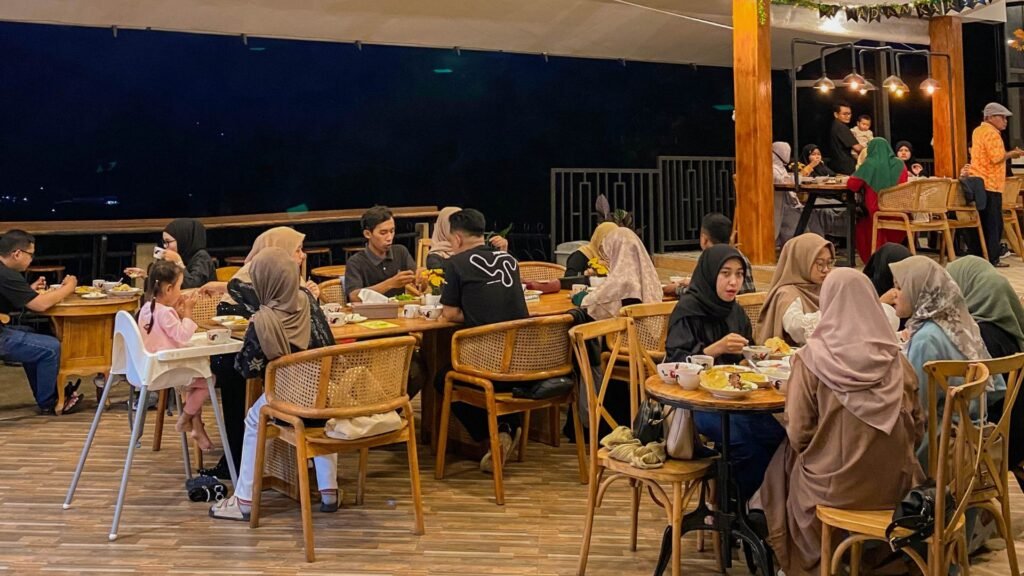
When we arrived, the atmosphere was busy but orderly. Flow at Warung Kopi Klotok usually like this: park first (area spacious yard makes maneuvering cars and motorbikes relatively easy), then enter the stall area—take a tray/plate, select buffet side dishes, take the rice according to the portion you want, continue to cashier for payment, then find a seat. Because of the clock 08.00–10.00 That’s the peak of the crowd, it’s natural that there are waiting time 20–40 minutes before actually being able to eat in peace; but the current flows.

warung kopi klotok
Klotok coffee shop

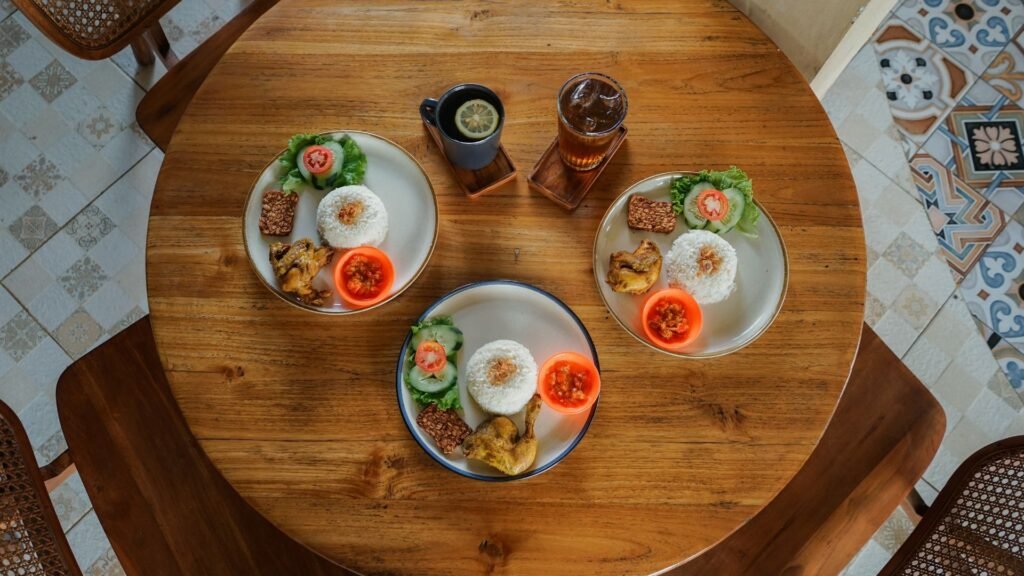
I started with warm rice one that isn’t too dense—just enough to support. Lodeh vegetables here tends to be light: the sauce is not too thick, the coconut milk is soft, the red and white onion seasoning feels balanced, and the aftertaste is clean. Omelette thick provides a contrast of textures—the edges are dry and thin, the middle is still soft. Fried tempeh crispy on the outside, soft on the inside. If you like a more kicky taste, chili sauce It could be the “last step” after half the portion is finished, so that the tongue can still read the original character of the side dish from the first bite.

For Location: Google Maps

When is it most enjoyable? For me, Morning–Afternoon is the ideal time. In the morning, the lodeh soup is comforting; As the afternoon progresses, portions can be increased according to the activity afterward. My duration on site is 45–60 minutes—enough to queue, choose side dishes, enjoy breakfast, and take a quick photo with the rice fields in the background.

  • Order: choose side dishes at the buffet table (don’t hesitate to ask for small portions, especially for children).
  • Wait: you may wait 20–40 minutes when it’s busy. Take advantage of the time to order klotok coffee warm or hot tea.
  • Serve: after sitting down, the rhythm of eating automatically slows down. The sound of a spoon on a zinc plate, the aroma of brewed coffee, and the rice field breeze form a unified background.

  • Busy Hours: 08.00–10.00. If possible, come a little earlier or a little after 10 o’clock for a more relaxed atmosphere.
  • Motorcycle/Car Parking: Size (yard area), still prepare a small amount of money for the parking attendant.
  • Has Been Established Since: ±2015, but the “home” feel and the way it is cooked make it feel like an old stall that grows naturally in the village.

FAQs – Short Chat with Klotok Coffee Shop Employees

I asked one of the employees near the cashier area several questions, and here is a summary of the answers:

Menu paling cepat habis

“Biasanya telur dadar tebal dan lodeh yang duluan habis saat akhir pekan.”

Jam antre terpadat

Sekitar 08.00–10.00. Kalau rombongan, lebih baik datang lebih pagi.”

Bisa reservasi rombongan?

Reservasi terbatas dan menyesuaikan kondisi. Untuk rombongan besar, hubungi jauh hari.”

Tips dapat tempat duduk cepat

Bagi tugas—sebagian ambil lauk, sebagian cari meja. Jangan ragu tanya ketersediaan ke staf.”


Klotok Coffee Shop excel at rice field atmosphere and slow eating rhythm. The side dishes tend to be simple but neat, suitable for those who want breakfast without excessive taste surprises. Merapi Coffee Shop and another village stall providing options for atmosphere and variations of side dishes that may have more character or be closer to certain tourist areas. If you want expansive panorama of rice fields plus a flowing buffet pattern, Klotok very interesting. If your needs are more fast access from different tourist routes or other taste preferences, another village stall you can explore after this. In essence, it’s not a matter of who is “better,” rather which one is most suitable for your morning mood.

Also Read: Bakpia Pathok 25: The Most Practical Bakpia Souvenirs from Yogyakarta


  1. Come Early: Arrived approx 07.00–07.30 on weekdays, or a little before 08.00 on weekends. You will get a place faster and the choice of side dishes will still be complete.
  2. Share Roles Upon Login: One person queue for side dishes, one more secure a seat. Concise communication shortens waiting times.
  3. Manage Portions for Children: Take half rice, choose a side dish with light soup (eg lodeh), chili sauce later. You can stir the temperature of the soup with the rice to make it warm more quickly and comfortably.
  4. Start “Plain” First: Try it first side dish without added chili sauce/soy sauce. After half the portion, add spices according to taste.
  5. Plan for a Duration of 45–60 Minutes: Including queuing, eating, and photos. Don’t rush; the best part of Klotok is slow rhythm itself.
  6. Prepare Cash: Even though many places are cashless, bring cash always helpful in the traditional stall area.
  7. Respect Shared Spaces: Finish eating, immediately vacate the table. The flow of visitors will be smoother and the atmosphere will remain pleasant.

  • Aroma: Fresh brewed coffee, the smell of red and white onions from the kitchen, and the faint smell of warm coconut milk.
  • Texture: Fluffy rice, smooth lodeh, thick omelet with slightly dry edges for bite contrast, crunchy tempeh.
  • Aftertaste: Clean and not excessive; suitable for continuing activities take a walk to the Pakem/Kaliurang area.
  • Atmosphere: Wooden planks, big pots, the sound of frying pans—all united with view of rice fields which city stalls rarely have.

Breakfast at Klotok friendly for families. Portion flexible, side dishes easy for children to accept, and open space feels good. If your child is sensitive to oil or coconut milk:

  • Choose stir-fried side dish and light vegetable soup.
  • Separate the chili sauce, feed slowly with warm rice.
  • Choose a table near the window so they can see the rice fields—children tend to eat more focused when the atmosphere is interesting.

In peak hours, queue order very helpful. Staff are used to directing order flow process of taking side dishes–pay–sit down don’t wait too long. Little things like clear the table quickly and tells the menu that has just been cooked maintain the rhythm of the shop. For me, this is a plus: busy but still neat.


From Kopi Klotok, you can Continue to lower Kaliurang for cool air, stop by fruit garden/vegetable stall, or simply stop at the rice field photo spot. There is no racing for time; let this homemade breakfast be done footing for longer days.


Mandatory. Three reasons are clear: home, portions, atmosphere.

  • Home, because the taste of lodeh, stir-fry and thick omelettes prioritizes mouth comfort from the first bite.
  • Portion, because you decide—fit for Morning–Afternoon, from “crazy breakfast” to “serious eating.”
  • Atmosphere, because view of rice fields and the slow rhythm of the stall helps the body and mind “land” after a busy morning.

If you are looking for ndeso stall who prioritizes clean taste and calm dining experience, Klotok Coffee Shop (Pakem) deserves to be on the main list.

Bakmi Jawa at Bakmi Kadin Kotabaru: Warm Night with Charcoal Pan & Duck Eggs

0

Day 2 — in the evening, I returned from the Tentrem Hotel after a day of traveling around Yogyakarta. Severe hunger appears as soon as you leave the parking lot; I feel like I need a warm bowl to seriously fill my stomach. I headed to Bakmi Kadin in Kotabaru—a name often recommended for Javanese noodles classic. In front of a gently smoking charcoal wok, I stood, waiting for my turn while imagining the savory sauce and duck eggs.


Why I Came to Bakmi Kadin

I chose Bakmi Kadin for two main reasons: the charcoal cooking method and the duck egg option. They’re not just “old styles”—they’re factors that influence aroma, taste, and texture. Charcoal adds a non-aggressive “smoky” touch, while duck eggs lend a mild-savory character to the sauce and filling. Kotabaru is also strategically located; easily accessible from the city center area and surrounding hotels. For those of you who intend to have dinner after busy activities, this is the type of place that can provide warmth without much ado—come, queue, enjoy, go home with a satisfied stomach.

Also Read: Recommendation Cafe Borobudur


Bakmi Kadin Eating Experience

When we arrived, the queue was neat. Night is indeed the golden time for Bakmi Jawa—delicious to eat at night, and here it feels clear: people come to eat slowly, chat moderately, and end the day with something warm. I waited about 20–25 minutes (approx order waiting time here it takes 15-30 minutes, depending on whether it’s busy or not). The aroma of charcoal wafts from the rows of woks, and it makes a nice “appetizer” before the food arrives.

bakmi kadin
Bakmi Kadin

I ordered duck egg godhog noodles. The soup appears clear golden, with a thin layer of oil that reflects the light of the lamp. The classic filling comes complete: soft yellow noodles, shredded chicken, a little cabbage, tomatoes, celery, and of course duck eggs which provides a soft savory taste and a “denser” texture than chicken eggs. A hint of pepper and fried onions add aromatics, while charcoal smoke—carried over from the initial sautéing process—gives it a touch smoky smooth at the back.

Taste & texture:

  • Gravy: savory “broth”, not the type that overpowers with spices; clean aftertaste, not unpleasant.
  • Mi: cooked with precision; not soft, still has bite.
  • Duck Eggs: the egg yolk feels more “full” and rich; gives body to the gravy.
  • Smoky-charcoal: not a burnt taste, but a subtle aroma that appears every once in a while when you take a bite.

If you’re the type who likes a bolder flavor profile, add chili sauce and a little soy sauce. I added half a spoonful of chili sauce—just enough to lift the sauce without drowning out its basic character. The portion of godhog noodles here is “just right to fill”; for me that very hungry after walking around the city, a bowl of this feels soothing.

Total duration on site I have 50 minutes: queue, cook, eat, and rest for a while. The flow flows naturally: come—take order—wait on a long chair—order delivered—after eating, pay straight away at the cashier.


Practical Information You Need to Know

  • Delicious to eat when: Evening.
  • Peak hours: 19.00–22.00 is the highlight of the visit; queues are usually longer in this range.
  • Motorbike/car parking: Roadside. Arrive a little early to get a more comfortable position.
  • Brief history: It’s been standing ever since ±1947, making it one of the old Bakmi Jawa references in Yogyakarta.
  • Order waiting time: Average 15–30 minutes, depending on the queue and type of order.
  • Ideal visit duration: 40–60 minutes enough to queue, eat, and rest for a while.

Short Chat with Bakmi Kadin Employees

I had a brief chat to confirm several things that visitors often ask. Here’s the summary:

  • What’s the difference between godhog noodles vs fried noodles?
    Godhog uses broth so that the taste is softer-savory; Fried without sauce, the spices stick better to the noodles with a sweet-savory touch.
  • Keep using charcoal?
    The main cooking process relies on frying pan over charcoal to maintain the distinctive aroma. That night I did see rows of charcoal pans working non-stop.
  • Duck eggs always available?
    Usually available, but when peak hour there is a possibility finished quickly. If you must use duck eggs, it’s best to come early.
  • When does the best time come?
    Generally before 19.00 or after 21.00 The queue is friendlier, especially if you come in a group or bring children.

  • Bakmi Kadin (Kotabaru): strong in classic style—Charcoal wok and duck eggs provide a neat and clean taste experience. Strategic location, suitable for the evening culinary route from the city center.
  • Bakmi Mbah Gito: many people come to the feel of the place a unique and distinctive space experience. It also feels sought after, but the atmosphere becomes an additional magnet that is different from Kadin.
  • Bakmi Pak Pele: popular for culinary evening Also, with a spice character that is loved by many people. Iconic locations often attract queues of tourists.

Everyone has their own fans. If you want subtle smoky profile from the charcoal plus duck egg option which enriches the sauce, Kadin feels the most “right on target”.

Also Read: Warung Ndeso in Yogyakarta: “Home” Breakfast at Warung Kopi Klotok (Pakem)


Tips for visiting Bakmi Kadin

  1. Come outside peak hours: Try to arrive before 19.00 or after 21.00 to reduce queues.
  2. Just mention preferences: Want duck eggs, spicy level, or the addition of fried onions—say this from the start so it cooks just right.
  3. Message strategy:
    • Godhog for a warm, comforting broth.
    • Fried when you want the flavor to stick to the noodles with a little caramelization of the spices.
    • Request shred more if you like the texture of the chicken more pronounced.
  4. Bringing children? Choose a table slightly to the edge so it’s not too close to the row of charcoal pans (safer and more comfortable).
  5. Roadside parking: Bring a small amount of money to the local parking attendant and choose a side of the road that does not interfere with the flow of vehicles.
  6. Prepare time: Average 15–30 minutes to queue/cook—consider it part of the experience of seeing the charcoal griddle in action.
  7. Portions & sides: If the stomach is very hungry, add tofu/tempeh bacem or satay (if available) to be more complete.

A Little Sense Reading

  • Charcoal: The stir-fry stage over charcoal makes the basic spices more “ripe” and aromatic. Charcoal fires tend to be steady, giving the spices a chance to gradually release their fragrance—the result smoky which does not dominate.
  • Duck Eggs: have richer egg yolk so that when mixed in sauce or stir-fried, it contributes flavor layered savory as well as a pleasant “slippery” sensation on the tongue. This combination makes a bowl of noodles that is not only delicious at first bite, but also delicious clean aftertaste—You stop eating not because it feels good, but because the bowl is empty.

FAQs – Frequently Asked Questions

Apakah wajib pesan telur bebek?

Tidak wajib, tapi saya rekomendasikan untuk pengalaman rasa yang lebih kaya.

Porsi kenyang nggak?

Untuk makan malam, satu porsi cukup mengenyangkan.

Bisa minta pedas?

Bisa. Minta sambal terpisah untuk kontrol rasa

Bawa rombongan?

Bisa, tapi datang lebih awal dan siap antre lebih lama di jam puncak.

Payment?

Siapkan uang tunai; jika tersedia opsi nontunai, anggap bonus—jangan bergantung.


  • Team Godhog: You like sauce that absorbs slowly, is warm, and comforting. Suitable to eat slowly while chatting.
  • Fried Team: You like a more prominent spice character attached to the noodles, with a slight sensation smoky which feels clearer.
    If in doubt, come together and order two cooking styles—exchange bribes—so you can decide your own team.

Comfortable dining flow at Bakmi Kadin

  1. Arrive – take a position in line: Make sure the order is clear.
  2. Monitor the rhythm of the pan: It’s fun to see spices being stir-fried over charcoal; it’s part of the experience.
  3. When the food comes: Taste the soup first (for godhogs) before adding chili sauce or soy sauce—get to know the “real taste” at the start.
  4. End calmly: Once you’re done, make room for the next diner—table turnover at peak times is pretty quick.

  • Photo angle: Pick from the side of the charcoal pan to catch the light smoke—a “process” story will strengthen the narrative.
  • Plating details: Highlight duck egg yolk and sliced tomato/celery which adds color.
  • Storytelling: Emphasize “night—warm—smoky”—these three keywords easily stick in the audience’s memory.

Mandatory. Three key questions: smoky, savory, legend. Bakmi Kadin packages the Bakmi Jawa experience that is honest at the source of its taste: charcoal pan and duck eggs. For those of you who are looking for a warm dinner after a day of traveling around Yogyakarta, a bowl here will end the day just right—no gimmicks, just flavors prepared patiently and carefully.


Compact Data

  • Culinary type: Bakmi Jawa (godhog/fried)
  • Location: Kotabaru, easy to reach from the city center
  • Mainstay: Charcoal cooked, option duck eggs
  • Peak hours: 19.00–22.00
  • Parking: Roadside
  • Since: ±1947
  • Waiting time: 15–30 minutes
  • Duration on site: 40–60 minutes
  • Best times: before 19.00 or after 21.00

Missing the Taste of Kopitiam in Jakarta: Struck by the Curry Noodle and Misua Menu at AMAH Kopitown

0

A week ago I was on holiday in Batam and every morning I stopped by the shop kopitiam — the mainstay of the set menu is always the same: rich toast, half-boiled eggs, and C tea and the Chinese food menu. Returning to Jakarta, the feeling of longing lingers like the smell of hot coffee. When looking at the menu photos AMAH Kopitown, my tongue memory immediately went “on”. I also wanted to try some of the menu and summarize the complete experience here—so you are looking for it Nearest Kopitiam can have an idea before coming to AMAH Kopitown.

“Starting from a love of traditional coffee culture, Amah Kopitown combines classic Kopitiam-style touches with the contemporary atmosphere typical of Jakarta coffee.”

I like the sentence embedded by AMAH Kopitown on the website because it feels right on target. For me, a kopitiam is not just a place to drink coffee, but a rhythm: sit, order, wait, then enjoy—while hearing the clink of the spoon in the glass. AMAH read that rhythm, then linked it to coffee habits in Jakarta: more modern ambience, neat plating, more varied menu choices. Traditions are maintained, experiences are made relevant.


Why is Kopitiam Always Missed?

Kopitiam has an honest taste. Simple ingredients, neat execution, and the right tempo. When I’m homesick, what I look for isn’t “exciting” spices, but rather comfort—warm broth, noodles cooked al dente, the aroma of fried onions, and unashamed robusta coffee. At AMAH, that impression comes from the way they treat textures and balance flavors: some are light for breakfast, some are strong for lunch, and some are “sticky” for curry lovers.


Amah Kopitown: Classic Meets Contemporary

AMAH Kopitown still displays the kopitiam icons (traditional coffee, milk tea, toast), but develops its “wet kitchen” side. Finally, the experience is complete—you can come in the morning for a hearty and light menu, then come back in the afternoon/evening for a more spicy dish. From the plating in the photos to the serving order that I experienced, the standards of cleanliness and detail felt taken care of.


Curry Mie Amah — Creamy Curry Sauce, Toppings with Character

First impressions: a bowl of noodles in a soft orange curry sauce, sprinkled with crunchy noodles, sliced fresh shallots and caramelised pieces of grilled chicken. On the side of the bowl, there are aromatic leaves that give a fresh impression.

Amah Kopitown
Amah Kopitown

Taste & texture:

  • Gravy: creamy without being excessive, there is a “kick” of warm spices, a hint of coconut milk, and a friendly spicy taste.
  • Noodles: cooked just right, absorbs the sauce without losing its elasticity.
  • Roast chicken: the edges are slightly charred—giving a smokiness that blends with the curry, while adding a savory contrast.
  • Crispy topping: the thin fried noodles on top provide a pleasant contrast in texture when slurped with the soup.

Eating tips: Stir the sauce briefly so that the oil and spices combine, then add fresh shallots for a crunchy-fresh effect. If there are limes on the table, drop a few to brighten the flavor. His partner? Tea warm or coffee sweetened condensed milk mixture.

For whom: suitable for those of you who want a “smooth” curry bowl, not the super spicy type. Portion is just right for lunch.


Misua Amah — Warm, Light, and Nostalgic

A bowl misua always reminds me of a home menu: clear sauce, vegetables, and the friendly aroma of onions. At AMAH, misua is served with fresh green vegetables, stir-fried salted vegetables which give a light sour sensation, and a sprinkling of dry fried sliced ​​spring onions.

Misua
Misua

Taste & texture:

  • Gravy: clear, light savory, there is a wash of umami from salted vegetables.
  • Misua: soft and easy to slurp; not easy to break.
  • Salted vegetables: adds depth of flavor without overpowering it.

Why is it interesting: This is the type of dish you’re looking for when you need a “comfort bowl”—in the morning, you’re tired, or want a break from heavy spices. Children and the elderly usually suit this taste profile.

Tips: misua soaks up the broth quickly; enjoy while warm. You can ask for separately sliced ​​chilies if you want a little “kick”.


Chinese Beef Curry — Thick Curry, Lime, and Seared Texture

This menu looks unique: like thick “pancakes” which are recommended to be eaten with curry sauce around them. On top are fried onions, and a small slice of lime as an accent.

Curry Beef
Curry Beef

Taste & texture:

  • Surface: searing effect gives a roasted aroma and dense outer texture.
  • Meat filling: savory—more of an honest “beefy” taste, not the overly spiced type.
  • Curry sauce: thicker than the noodle version, so it functions like an “expensive sauce” that covers the mouthful.

How to enjoy: Cut a little off the edge, dip in the curry, then add enough lime juice. The acid from the limes cleanses the palate and makes the next bite taste new again.

Pairing notes: delicious with iced milk tea or cold coffee; the temperature of the drink helps balance the thickness of the curry.


Bonus 3 Menus: XO Noodles, Chicken Karage, and Char Keow Teow Penang

XO Noodles — Umami Wok & Crispy Topping

A plate of stir-fried noodles with shrimp, sliced squid, bean sprouts, and a sprinkling of thin fried noodles. Sauce XO giving seafood a distinctive salty-umami profile. Its appeal lies in the “wok hei”—the light smoky aroma of hot stir-fry. It feels dense but not unpleasant. Suitable for those of you who like contrasting textures: chewy noodles, crunchy toppings, and juicy shrimp.

Tips: Stir the top well before eating so that the crispy noodles don’t “run away” on one side. Add chopped chilies if you want it spicy.

Chicken Karage — Crispy Skin, Savory Sauce

Pieces of fried chicken in flour (karaage style) with a savory sauce that tends to be mildly savory-spicy. On top there are finely sliced ​​spring onions which give it a fresh fragrance. The skin is crispy, the flesh is juicy. Eaten warm, this menu feels “safe” for all ages.

Serving tips: quick meal—crispy skin is best in the first few minutes. Suitable as an accompaniment to black coffee or plain tea.

Char Keow Teow Penang — Broad, Smoky and Lively

Wide noodle lovers will be happy: texture kway teowIt’s soft, meets scrambled eggs, bean sprouts and fragrant stir-fry spices. What you’re looking for of course wow hey—brief smoky aroma resulting from high heat. There was a small lime on the side of the plate; squeeze a little to create a brightening acidic contrast. This type of menu is fun to share.


Message–Wait–Serve Flow: What You Need to Know

Tips from me:

  1. Come early at lunch or afternoon so you can get a comfortable seat. Find the website at Kopitiam.it.com
  2. Order a drink first, then go for bowl vs stir-fry—bowls (misua, curry noodles) usually come out a little faster.
  3. Check the queue: if it’s busy, send group orders at once so they come out close together.
  4. Ask about the spicy level and available condiments; Some menu items will be upgraded just because of the addition of lime or sliced ​​chili.
  5. Transportation & parking: depending on the area, ride-hailing options are often more practical during peak hours.

All the tips above are general and relevant to many kopitiam style shops in Jakarta, including AMAH.


Portion Value & Quality

I didn’t write down the price because it can change when you come. However, in terms of value, AMAH plays in consistent taste quality and clean plating. The curry and noodle portions are not “stingy on toppings”—you get a crunchy, fresh texture and delicious protein. Misua caters to the “comfort” requirement, while Beef Curry and XO Noodles close the gap for the more discerning umami connoisseur.


Tasting Notes: Quick Summary

  • Curry Mie Amah: creamy sauce, friendly spicy, smoky grilled chicken, crunchy topping.
  • Misua Amah: clear sauce, light savory, comfortable for breakfast or when you want something simple.
  • Chinese Curry Beef: rich in spices, seared texture on the outside, sour lime makes you addicted.
  • XO Noodles: marine umami, wok hei taste, suitable for stir-fry fans.
  • Chicken Karage: crispy-juicy, savory sauce, safe for all.
  • Char Keow Teow Penang: soft, smoky, fresh wide noodles with lime.

Frequently Asked Questions

What is the difference between a kopitiam and a regular coffee shop?
Kopitiam departs from Southeast Asian coffee traditions: a blend of strong coffee, sweetened condensed milk, C tea, plus a simple breakfast/stir-fry menu that prioritizes comfort and taste. Modern coffee shops focus more on single origins, brewing techniques and western pastries. AMAH tries to link the two.

How to find the nearest Kopitiam?
Use keywords “Nearest coffee shop” on a map or search engine, then check the latest photos, opening hours and reviews. For AMAH, monitoring the official Amah Kopitown channel may affect operational hours.

Which menu is safe for the first time?
Starting from Misua Amah (light) or Curry Mie Amah (more spiced but friendly). If you like the firm feel, choose it Chinese Curry Beef or XO Noodles.


So is it mandatory or not?

For me, Nearest Kopitiam AMAH Kopitown interesting because it doesn’t rely solely on nostalgia. They spruce up traditions—from soup to noodles to stir-fries—and present them in a sleek, contemporary style. Curry Mie Amah provides textured layered comfort; Misua Amah is a warm hug on a busy day; and Chinese Curry Beef So a curry option that has “character” thanks to the seared texture and touch of lime. Plus three bonus menus that expand your choices, this shop is worth adding to your visit list, especially for those of you who miss the kopitiam atmosphere but still want the contemporary Jakarta ambiance.

If you’ve just returned from Batam/Singapore like me—and your tongue is looking for a return to the flavors of kopitiam—AMAH is worth a try. Come early, check the queue, and don’t forget to order a classic drink. Sometimes, what we miss is not just the taste, but the simple rhythm that makes the day feel complete.


Quick Recommendation Summary

  • Mainstay of gravy: Curry Mie Amah
  • Comfort bowl: Misua Amah
  • A bold curry: Chinese Beef Curry
  • Wok lovers hey: Mie XO & Char Keow Teow Penang
  • Crispy savory snack: Chicken Karage
  • Complementary drink: C tea, sweetened condensed milk coffee

Soto Kadipiro Wates: A Light Warm Bowl for Afternoon in Yogyakarta

0

Day 3 – in the afternoon, I departed from The Phoenix Hotel with a stomach that asked to be warmed. Yogyakarta’s weather tends to be hot, so I was looking for something light, not something that would cause an “after-lunch slump”. The choice fell to delicious food Soto Kadipiro in the direction of Wates—an old place that is said to be good at clear soup. As soon as I sat down, I imagined the first sip would be soft, not tiring, and perfect for restoring energy.


Why I Came Soto Kadipiro Wates

There are two main reasons. First, the reputation of the clear soup is known to be light and clean—the kind of soup that is easy for all family members to accept. Second, the abundant choice of side dishes, from fried foods to various small satays, makes the eating experience feel flexible. In Yogyakarta, especially west towards Wates, the lunch rhythm is often busy due to the flow of tourist vehicles and local workers. So a place that is fast and consistent feels like this feels “safe” for a busy agenda—eat, satisfied, continue walking.

Also Read: Recommendation Cafe Borobudur


Soto Kadipiro Wates Eating Experience

I arrived at around 12 o’clock—peak time. Orders were taken quickly, only waited about 5–10 minutes for the first bowl to land. The flow is neat: bowl—rice—sprinkling of cabbage and celery—splash of sauce—meat—sprinkle of fried onions.

soto kadipiro wates
Clear Soto

First sip: clear soup that tends to be light, not fatty, and leaves a soft savory aftertaste. There is a warm, soothing sensation, a kind of “reset” for a stomach that is tired all day. The meat in my bowl was tender, the pieces weren’t too big so it was easy to chew. The rice is measured just right, so the portion doesn’t feel excessive—just right for a lunch that doesn’t want to be too heavy.

What I like is that thinly sliced cabbage gives a small crunchy texture, adding contrast to every bite. If you like the taste a little more “up,” add lime juice and chili sauce to taste. I also tried emping, which is light and doesn’t absorb excess oil—a nice addition without obscures the taste of the sauce.

For those of you who ask “when is it best?”, this style of soto is best enjoyed in the morning. When the weather is warm, the soup actually feels refreshing—not pillow-inducing. And for those of you who like to be efficient, the fast serving rhythm during busy hours is a plus.


Soto Kadipiro Wates Visitor Information

  • Busy hours: 12.00–14.00. If you want to be more relaxed, come before 12 or after 14.00.
  • Parking: Roadside. It is best to come by small vehicle or motorbike; for cars, patiently look for empty space on the shoulder of the road.
  • Brief history: The imprint of the “Kadipiro” brand in Yogyakarta has been around for a long time ±1921—that’s why many of our parents are familiar with the name.

Short Chat with Soto Kadipiro Wates Employees

I asked several things that readers often ask:

  • Customers’ favorite cuts of meat?
    “A lot of people like it mixed—it has red meat and a little lean fat. It’s tender, but still light.”
  • At what time does the sauce become more delicious?
    “Usually from midday onwards it feels more ‘clumped up’ because the ingredients have been together longer, but it’s still clear.”
  • The best-selling side dish?
    “Gizzard liver satay, fried tempeh, and perkedel. Those three run out the quickest.”
  • Is there a child portion?
    “Yes. Ask for less rice, separate the chili sauce, and finer meat. Just say so at the beginning.”

In Yogyakarta, you may have heard it often Soto Kadipiro with several branches. The taste remains one family—clear sauce, fast serving time—although each point sometimes has a small character in the daily spice mix. Compare with Soto Bathok Mbah Katro which is popular for its “bowl bowl” presentation and northern feel; the sensations are different: one favors gimmick container and vibe, the other one is strong on “legendary” tracks and fast daily rhythms. If you are specifically looking for a very clear sauce and a large selection of side dishes in the window, the Kadipiro point towards Wates feels like the right place to go straight down—order, eat, continue with your agenda.


Tips for visiting Soto Kadipiro Wates

  1. Come early: If possible, arrive before 12 o’clock. Apart from the looser seats, you can choose side dishes freely.
  2. Message strategy:
    • Request child portion if you bring your little one—less rice, separate the chili sauce.
    • Add fritters or liver gizzard satay for variations in texture without making the sauce “lose sound.”
    • If you like a livelier sauce, lime to taste; chili sauce as needed so that the clear character is still felt.
  3. Parking & times: Due to roadside parking, it is more convenient to come by motorbike or use a small car. Avoid the busiest spots between 12.00–14.00 if you don’t like waiting.
  4. Bring the family: This type of clear soto is generally friendly to many tastes. Discuss portion options, and ask for the meat to be cut smaller for the child.
  5. Fulfill your afternoon agenda: Estimated total time on site 30–40 minutes—enough for a casual meal but not to disrupt subsequent plans.

The word “light” is often misconstrued as lacking flavor. Here, “light” means clean and orderly, not tasteless. The taste is not the type that stays on the tongue for a long time; he greeted, then closed slowly. Fried onions add fragrance without overpowering, while celery and cabbage balance it out with a fresh touch. For me, this is a soup that is easy to “fit” for sensitive stomachs or those who don’t want too dense food.


Portions are moderate—just enough rice, not too much meat, and vegetables add height to the bowl. This helps us avoid drowsiness after lunch. The texture of the meat tends to be soft, not the type that needs to be chewed several times. The soup is clear so it doesn’t leave a layer of oil in your mouth. For those who like it crunch, add chips: they are crispy, clean, not oily, and act as a “bridge” between the soup and the rice.


Even though it was busy, the queue moved quickly because of the neat system. You take a place, give your order, wait 5-10 minutes, then the food comes warm. The side dishes are arranged in the display case so they are easy to glance at before choosing. For those who bring children, it’s a good idea to order children’s portions from the start so that the kitchen can immediately adjust.


I’m not including numbers because they can change, but in terms of value, the experience of eating here feels worth it: consistent taste, fast serving pace, and flexibility of side dishes. This is a “no-fuss” category of place, so it’s suitable for an afternoon trip when time is tight.


The serving area moves quickly, but tables are cleared in shifts so new guests have a ready place. The clear sauce shows care in processing; there is no pungent aroma or bitter taste. If you are sensitive to oil, this style of soto will feel friendly.

For Location: Google Maps


Recommended Order of Messages

  1. Clear soup soup + rice
  2. Fritters (for smooth texture)
  3. Emping (for a light crunch)
  4. Liver gizzard satay (optional, for a savory accent)
  5. Lime & chili sauce (to taste, last touch adjust to taste)

If you happen to come at peak lunch hour and the place is full, you have two options: patiently wait for an empty table (usually the rotation is fast) or go to another Kadipiro branch which is not too far away. However, the character of each point can have different little nuances—it’s also fun if you like food trail.


If you prefer soup with a thick sauce and dominant spices, this clear style may taste calm. The solution: ask for a little more chili sauce or add lime juice to lift the flavor profile. Be careful not to overshadow the main character.


Mandatory. My three keywords: clear, light, fast. This is the soup bowl you can rely on when you need a drama-free lunch, the flavors are friendly to many tastes, and the rhythm lends itself to a busy itinerary. If you stay in the city center such as around Tugu or The Phoenix Hotel, the route to Wates is also fun—one way, finish eating, continue exploring.

Also Read: Bakmi Jawa at Bakmi Kadin Kotabaru: Warm Night with Charcoal Pan & Duck Eggs


  • It’s delicious to eat: Morning–afternoon
  • Busy hours: 12.00–14.00
  • Parking: Roadside
  • Advantages: Light clear sauce, abundant side dishes
  • Similar competitors: Soto Bathok Mbah Katro, another Kadipiro branch
  • History: ±1921 (trace of the “Kadipiro” brand in Yogyakarta)
  • Waiting time: 5–10 minutes
  • Time on location: 30–40 minutes
  • Chat staff (body of answers): favorite mixed meat, the sauce gets more “collected” towards noon, the best-selling side dish is ati gizzard–perkedel–tempeh, children’s portions can be requested

FAQ – Frequently Asked Questions

Apakah bisa minta sambal terpisah?

Bisa. Bahkan lebih nyaman untuk yang ingin mengontrol tingkat pedas.

Cocok untuk anak?

Cocok. Kuahnya halus; tinggal minta porsi lebih kecil dan daging dipotong kecil.

Perlu reservasi?

Umumnya tidak. Datang lebih awal supaya duduk lebih leluasa.

Ada pilihan tanpa nasi?

Bisa. Minta kuah dan daging saja untuk makan sangat ringan.

Angkringan & Kopi Joss at Angkringan Lik Man (Tugu), Yogyakarta — Hanging Out at Night That Makes You Miss

0

Day 3 – Evening from The Phoenix Hotel. I walked slowly towards the Tugu, the air in Yogyakarta felt warm and busy. Still want to snack while hanging out? I turned into a row of carts near the tracks, looked for a simple seat with a yellowish lamp and arrived at Angkringan Lik Man. As soon as I sat down, the burning charcoal entered the glass—joss coffee made a distinctive “cesss” sound—and the cat’s rice landed on the small plate. This relaxing moment which I have been hoping for since the afternoon.


Why I Came to Angkringan Lik Man

For me, nights in Jogja are always synonymous with angkringan: cat rice, satay, and of course charcoal joss coffee. Around the Monument, Lik Man’s Angkringan It’s been a reference for a long time. The location is strategic, near many inns, and the atmosphere is friendly—long chairs, quiet chatter, alert traders. My expectations were simple: hot snacks, specialty drinks, friendly prices, and… vibes relaxing evening. Lik Man fulfills all four.

Also Read: Recommendation Cafe Borobudur


Eating Experience at Angkringan Lik Man

angkringan lik man
Joss Coffee

I started with a cup joss coffee. In terms of flow, the order is quick: choose a drink, the waiter prepares the coffee, then a piece of hot charcoal is dipped in—this is where the “joss” sensation occurs. Charcoal aroma brings a light smokey feel; it feels bitter-sweet with softer aftertaste compared to regular brewed coffee. The warmth is just right enjoyed at night, especially while waiting for trains passing by in the distance.

For snacks, I take cat rice filled with anchovy chili sauce, intestine satay, and quail egg satay. The portion of cat rice is small, however the rice is still warm, the chili sauce is spicy and savory, suitable to be eaten alternately with satay. Intestinal satay has a chewy texture with a sweet-savory seasoning that penetrates; quail eggs soft and easy to melt. If you’re really hungry, just add more fried food—tempeh, tofu, or bakwan—that has just come out of the oil, so the edges are still intact crunchy when bitten.

For Location: Google Maps

Message–wait–serve flow here it’s simple:

  1. Take your own snack (cat rice/sate/fries) from the shelf/plate.
  2. Order a drink from the waiter.
  3. Enjoy a snack first; drinking came next.

At peak times, waiting time can 5–15 minutes to drink, especially if many people order joss coffee. That’s natural, because the charcoal process really requires focus so that it is safe and has the right heat.

During the meal, the service was palpable deft and friendly. They are used to a mixed flow of guests—tourists, students, and even families who just want to introduce their children to the atmosphere typical Jogja angkringan. My duration at the location approx 45–60 minutes—enough for two glasses of drink and a few plates of snacks without feeling pressed for time.


Information You Need to Know

  • Peak hours: approx 20.00–23.00. In this range, seats are often full and foot traffic is heavy.
  • Motorbike/car parking: roadside. Arrive early or choose a two-wheeled vehicle for more flexibility.
  • It has been established since: ±1969 (part of Jogja’s long nighttime culinary history).

If you want a quieter atmosphere, come earlier maghrib or passing by 23.00—tends to be more relaxed for long conversations.


FAQs – Short Chat with Angkringan Lik Man Employees

Menu wajib coba selain kopi joss

“Coba juga teh joss kalau mau versi lebih ringan, dan jangan lupa sate usus sama telur puyuh—itu cepat habis.”

Jam paling ‘hidup’ suasana

“Biasanya selepas jam delapan malam sampai sekitar sebelas. Musik jalanan kadang lewat, obrolan makin seru.”

Pembayaran non-tunai ada?

“Utamanya tunai. Kadang ada pedagang yang sediakan QRIS, tapi siapkan uang cash ya biar aman.”

Tips duduk biar dapat tempat

“Datang lebih awal atau cari spot yang agak ke pinggir. Kalau rombongan, mending pecah jadi dua meja kecil.”

In the Tugu area, there are several angkringan with a similar concept. Lik Man stand out in charcoal joss coffee and a long-standing reputation. Snack options are relatively similar—cat rice, satay, fried foods—however joss coffee ritual here it feels more “iconic” for many people. Regarding price, still friends and not much different from other carts. If you chase classic story When it comes to joss coffee, Lik Man is often the answer. Meanwhile, other angkringan could be an option if you are looking for one the seat is looser at busy times.

Also Read: Soto Kadipiro Wates: A Light Warm Bowl for Afternoon in Yogyakarta


Tips for visiting Angkringan Lik Man

  1. Come before peak times (around 19.00) if you want to sit back and take photos without rushing.
  2. Bring cash to taste; even though some are starting to use QRIS, cash remains the safest.
  3. Start from small portions. Taste some cat rice and satay first; If it fits, add more.
  4. Choose warm drinks at night—joss coffee for a typical experience, or joss tea if you want it lighter.
  5. If you bring children, sit on the quieter side and away from the charcoal/drink processing.
  6. Don’t rush. Enjoy the chat, listen to street music if there is any, and let the evening take its course.

A Few Notes of Taste & Texture

  • Joss coffee: bitter-sweet, yes smokey feel light, smoother aftertaste than regular brewed coffee.
  • Cat rice: small portions, warm rice, a friendly chili sauce for tongues that like spicy and savory.
  • Intestinal satay: chewy with sweet-savory spices; delicious eaten alternately with rice.
  • Quail egg satay: soft, light sweet spice.
  • Fried: best when fresh off the pan; crispy on the edge, soft on the inside.

For the first time coming

  • Simple procedure: take your own snack, order a drink from the waiter.
  • Calculate portions at the end. Usually the officer will ask what you took.
  • Don’t hesitate to ask. Whether you want to ask about the taste, the spiciness of the chili sauce, or recommendations for satay—they are used to serving new visitors.

Order Recommendations

  • Package 1 (Light): Joss coffee + 1 anchovy cat rice + intestine satay.
  • Package 2 (A Little Serious): Joss coffee + 2 cat rice (anchovies & chicken) + quail egg satay + 1 fried food.
  • Package 3 (Non-Coffee): Joss tea + 2 cat rice + skin satay + fried tempeh.

Budget & Time to Hang Out at Angkringan Lik Man

  • Budget: fixed pocket friendly; You can adjust portions easily.
  • Hanging time: 45–60 minutes it feels right to spend 1-2 glasses of drink and some snacks.

Small Etiquette that Makes You Comfortable Together

  • Keep chair turns during peak hours; Many people want to feel the same atmosphere.
  • Tidy up the plates and skewer in one place; makes it easier for officers to count and clean.
  • Respect the traveling salesman or a street musician who stops by—just smile or be as supportive as you can.

So is it “required” or not?

Mandatory. Three main reasons: vibes, cheap, typical. Lik Man Angkringan (Tugu) not just a place to eat, but night experience in Jogja which is concise, as is, but full of character. Joss coffee with charcoal “cesss”, warm cat rice, and light conversation under the dim lights—all summarize the essence of a relaxed hangout that always makes you miss it. If you stay around the monument or late at night, set aside an hour to sit here. Experience for yourself why this simple tradition endures since ±1969.


Summarize Important Information

  • Delicious to eat when: Evening
  • Peak hours: 20.00–23.00
  • Parking: Roadside
  • Pros: Charcoal joss coffee, cat rice
  • Similar competitors: Angkringan Tugu (others)
  • Since: ±1969
  • Waiting time: 5–15 minutes
  • Duration on site: 45–60 minutes

Bu Tumini Giwangan Chicken Noodles: A Sweet and Savory Bowl for Midday

0

Day 4 in Yogyakarta, in the afternoon after a meeting at the Hyatt Regency, I decided to pull over to Giwangan. The stomach is hungry—not really empty, but asking for something fast and kicking. Food Recommendations I remember one name that local people often call it: Mie Ayam Bu Tumini. You know that feeling when you need a warm bowl that can be a “quick fix” for energy? Yes, that’s my goal this afternoon.


Why I Came to Mie Ayam Bu Tumini

I came because of one thing that people tell me about most often: the thick sauce with a sweet-savory profile typical of Jogja. In the busy and fast-paced Giwangan area, chicken noodles are a safe choice for a midday break. The portions are known to be fussy in a positive way—from regular to jumbo—which satisfies a variety of hunger types. I was hoping to find a bowl of chicken noodle that was not only delicious, but also consistent, quick to serve, and “sticks” in my memory once the last spoonful is finished.

Also Read: Recommendation Cafe Borobudur


Bu Tumini’s Chicken Noodle Eating Experience

mie ayam bu tumini
Chicken Noodles

I arrived around 12.30, just as the flow of visitors started to thicken. The queue is neat, and there is a clear flow between the cashier, compounder and delivery person. My waiting time that afternoon was around 20 minutes—still within the normal range of 15–30 minutes during rush hour. As soon as the bowl landed on the table, the first thing you smelled was the aroma of thick chicken stock.

Taste & Texture:
The sauce has a density that “binds” the noodles. Not too thick, but enough to stick to the noodle strands, so every mouthful feels full. The sweet and savory balance is balanced: there is a subtle side of sugar at the front of the tongue, followed by a savory broth that slowly strengthens at the back. The noodles have a springy texture, not easy to break. The minced chicken is soft, the spices are absorbed, without excessive taste. When sipped, there is a slight aftertaste of warm broth, perfect for an afternoon that needs a quick boost.

Serving Flow:
After queuing, the order is recorded briefly. Employees determine preferences: regular or jumbo portions, how sweet you want them, and whether additional toppings are needed. Once it’s ready, the bowl arrives with a simple look: noodles, chopped chicken, mustard greens, and a drizzle of thick, glossy sauce. Chili sauce, vinegar and soy sauce are available on the table—please adjust according to your taste. If you like the taste more “kicking”, add a little chili sauce, because the base sauce is already strong.

When is it Good?
For me, this chicken noodle is the most suitable to eat during the day. A warm bowl, enough calories, and doesn’t make you excessively sleepy if your portion is right. My duration in the surrounding location 30–40 minutes, including queuing and enjoying your meal without rushing.

For Location: Google Maps


Practical Information for Coming to Mie Ayam Bu tumini

  • Peak Hours: 12.00–15.00. If you want a shorter queue, come a little before or after this time.
  • Motorbike/Car Parking: Roadside. Motorbikes are relatively easier; the car needs to be patient and check the gaps.
  • Has Been Established Since: ±1990s. Long time in the field usually means the mixture has been tested by many tongues.

Short Chat with Mie Ayam Bu Tumini Employees

  • Is there a jumbo portion? Yes. Suitable for those of you who need a bowl “once full”.
  • Can the sweetness level be adjusted? Yes. Say it at the start, employees are used to adapting.
  • What’s your favorite topping? Extra minced chicken and extra meatballs are popular choices.
  • The fastest queuing method? Come before peak hours (around 11.30–12.00) or after 14.30; queuing is more flexible.

Around Giwangan, there are several chicken noodle sellers with a similar style. The difference is usually in gravy thickness and sweet flavor profile. Bu Tumini stands out because its sauce tends to be thicker with a strong sweet-savory taste. Other places may offer lighter or thinner sweet sauces. If your taste tends towards a taste that “appeals” to noodles with every bite, Bu Tumini has an advantage there. If you like a lighter sauce, you can adjust it at the table with vinegar or ask for it to be a little lighter when ordering.

Also Read: Angkringan & Kopi Joss at Angkringan Lik Man (Tugu), Yogyakarta — Hanging Out at Night That Makes You Miss


Tips for visiting Bu Tumini Chicken Noodles

  1. The Best Time Comes:
    Come before 12.00 or after 14.30. Queues tend to be shorter, and you can sit comfortably.
  2. Messaging Strategy:
    • If you like your sauce not too sweet, said from the start.
    • Do you like spicy kicks? Add a little chili sauce first, then increase slowly.
    • Jumbo portions are suitable for sharing or for those of you who need extra energy.
  3. For Families/Children:
    Ask for a more “calm” sauce and separate the chili sauce. Choose a regular portion so that it is comfortable for your child’s stomach.
  4. Parking & Access:
    Prepare small money for roadside parking. Motor is more flexible; cars arrive outside peak hours to avoid turning around.
  5. Smart Queue:
    When it’s busy, queuing and paying feels fast if you already know the options: portion, sweetness level, and additional toppings. Save time, stay in a good mood.

  • Sweet-Savory Thick Gravy: Sitting on the middle line between thick broth and typical Jogja sweetness.
  • Serving Consistency: From regular to jumbo, the sizes are clear, making expectations met.
  • Fast Kitchen Rhythm: Even though the line takes 15-30 minutes at peak times, the mixing and serving flow looks neat.

Bu Tumini Chicken Noodle Tasting Notes

  • Calm but with character: Reduce the chili sauce, add a little vinegar to make the sauce taste lighter.
  • Maximum kick: Gradually add chili sauce, extra chopped chicken, and stir well so that the spices stick to the noodles.
  • Balance for the day: Regular portion, thin chili sauce, additional meatballs; enough for energy without “sudden satiety”.

FAQsFrequently Asked Questions

Kalau gak suka terlalu manis?

Bisa minta disesuaikan; karyawan terbiasa menyeimbangkan rasa.

Harus porsi jumbo?

Tidak. Porsi biasa sudah cukup mantap; jumbo untuk Kamu yang butuh ekstra.

Nunggu lama gak?

Di jam puncak 12.00–15.00, siapkan 15–30 menit. Di luar itu, biasanya lebih cepat.

Cocok buat makan cepat?

Ya. Setelah duduk, penyajian relatif sigap—terutama di luar jam ramai.


If you are looking for chicken noodles thick, cheap, and kick for an afternoon break in Yogyakarta, Bu Tumini’s Chicken Noodles are worthy of being called “Must Try”. The thick sauce gives a character that is rarely “half-hearted”, the portions are clear, and the serving rhythm supports the need to eat quickly. For those of you who want a calmer feeling, just say it from the start; That flexibility makes the dining experience comfortable. In short, Bu Tumini offers value for money—a bowl that “answers” post-meeting hunger, without the drama.


  • Best time: before 12.00 or after 14.30.
  • Queue: prepare 15–30 minutes at peak time.
  • Parking: curb—the motorbike is more flexible.
  • Core flavors: thick sweet-savory sauce; ask for adjustments if necessary.
  • Duration on site: 30–40 minutes is comfortable for eating and taking a short break.

Pak Pong Imogiri Klathak Satay: Tender Meat, Light Smoke, Simple and Delicious Seasonings

0

That evening, Day 4, I departed the Hyatt Regency heading south to cap off the day with something “really meaty.” You know the feeling: your stomach is warning you, your head wants to kick straight away. I choose delicious food direction of Imogiri—the target was clear: Pak Pong’s Sate Klathak. The ride is relaxing, the street lights are long, and I can already imagine the “cesss” sound of a charcoal grill.


Why I Came to Sate Klathak Pak Pong

Klathak satay has a unique characteristic: goat meat is skewered with iron, simple seasoning, then grilled until the surface shines with natural oil. At Pak Pong, it feels “honest” on the tongue—without a lot of spices that cover up the original taste of the meat. For a southern road trip, this choice is just right: the portions are firm, the flavors are straightforward, and the atmosphere is lively without being contrived. Those of you looking for a dinner with strong character will feel in good company.

Also Read: Recommendation Cafe Borobudur


Eating Experience at Sate Klathak Pak Pong

sate klathak pak pong
Pak Pong’s Klathak Sate

As soon as I sat down, I ordered satay klathak and some accompaniments. The flow is simple: grab a spot, order, then be prepared to wait 20–40 minutes (this is normal at peak times). While waiting, the faint aroma of smoke began to be felt. When the plate arrives, it looks minimalist—large chunks of meat, iron skewers still warm, and a tempting side of sauce.

  • Texture & Taste: Tender meat with still visible fiber, juicy on the inside. The outer surface has a smooth brown color due to the charcoal fire. The seasonings are not dominant—salt and a few basic spices—allowing the goat’s taste to appear clean.
  • Pore & Juiciness: Larger cuts make the pores of the meat “hold” the juice. When you bite into it, you will feel the smooth melting of the fat that combines the salty-savory taste.
  • Aftertaste: There is no trace of heavy language. After the last mouthful, the mouth remains comfortable—what remains is a light smoke and natural savory taste.
  • When is it Most Enjoyable: Evening. The air is cooler, and the aroma of charcoal is more pronounced. Perfect for a “reward” after a long day.
  • Waiting Time: 20–40 minutes (depending on crowd).
  • Duration on Location: 45–60 minutes from sitting to finish.

For accompaniment, I like to sip “gulai” sauce as a complement. It tastes warm, savory, doesn’t cover the taste of the satay. If you’re the type who likes to “play it safe”, try asking for the sauce to be served separately—keeping the flavor rhythm clean.


Practical Information on Pak Pong Klathak Sate

  • Crowded Hours: 19.00–21.00 (prime time).
  • Motorbike/Car Parking: Parking area available. However, at peak hours you still need to be patient looking for a slot.
  • Has Been Established Since: — (I didn’t find any official information at the location during the visit; use neutral diction to avoid mistakes).

Small note: even though there is a parking area, the flow in and out is quite dynamic at night. Arriving a little before peak peak hours can reduce waiting time.

For Location: Google Maps


Short Chat with Sate Klathak Pak Pong Employees

  • Can Maturity Levels Be Adjusted?
    Yes. State your preferences when ordering. Medium-juicy for the most “live” meat taste, well-done if you want a drier texture and safe for children.
  • Favorite Goat Part?
    Many people like the thighs for a tender-juicy balance. There are also those who ask for a combination so that the texture is more “playful”.
  • Separate curry sauce?
    Yes. Ask for the soup to be served in your own bowl. This helps keep the satay “sound” without being covered in sauce.
  • Tips to avoid long queues?
    Come a little before 19.00 or after 21.00. If a group comes, decide on core orders from the start so that the kitchen queue moves faster.

Both Pak Pong and Pak Bari carry the basic characteristics of klathak satay: iron skewers, minimalist spices, charcoal fire. In Pak Pong, I felt the emphasis on firm cuts of meat and clean aftertaste—suitable for those of you who want the “goat taste to appear”. Meanwhile, some people like the different taste nuances and serving rhythms at Pak Bari. Both are worth trying, the final choice depends on your preference for texture, smoke nuance, and the atmosphere you are looking for.


Tips for visiting Sate Klathak Pak Pong

  1. Coming to the “Golden Window”.
    Choose before 19.00 or after 21.00 to cut the queue.
  2. Lock Orders from the Beginning.
    Determine the number of skewers and level of doneness in advance; Avoid changing in the middle because the grill queue is busy.
  3. Gravy on the Side.
    Ask for the sauce to be served separately so that the rhythm of the satay flavors remains focused.
  4. For Family/Children.
    Choose well-done doneness and prepare neutral accompaniments (warm rice, cucumber slices).
  5. Parking & Access.
    Parking is available, but provide a small U-turn option if it fills up at peak times.
  6. Realistic Wait Times.
    At night is the stage for satay klathak. 20–40 minutes is part of the experience. Consider this a break for casual chat.

FAQ – Frequently asked questions

Apakah sate klathak selalu pedas?

Tidak. Bumbunya sederhana. Jika ingin pedas, Kamu bisa tambah sambal sesuai selera.

Kenapa pakai tusuk besi?

Tusuk besi menghantarkan panas lebih baik, membantu daging matang merata dari inti tanpa harus banyak bumbu.

Wajib pakai kuah?

Tidak wajib. Kuah sifatnya pelengkap. Diseruput hangat juga enak, tapi sate tetap “berdiri” sendiri.

Bisa dine-in cepat?

Di jam puncak, tidak. Datang di luar jam ramai untuk ritme yang lebih singkat.

Pak Pong Klathak Sate Tasting Notes

I like how salt and heat collaborate here. The salt brings out the goat’s natural flavor, while the heat from the iron skewer cooks the inside evenly—keeping the meat juices in the fibers. Light smoke The charcoal gives a distinctive “Jogja night” aroma, it doesn’t cover it up, it just emphasizes it. If you are used to satay full of spices, this experience could be a “palate reset”—learning to enjoy “the essentials”.


The rhythm of Pak Pong’s Klathak Sate Serving

In the grill kitchen, the rhythm is fast but calculated. The iron skewers are turned back and forth, the distance from the coals is maintained, and the grill looks solid at the peak. When the plate came, there were no elaborate decorations—simple and to the point. This is what makes me feel, “Oh, the focus is really on the meat”. And indeed, the first bite or two is enough to explain why this place is busy at night.

Also Read: Bu Tumini Giwangan Chicken Noodles: A Sweet and Savory Bowl for Lunchi


Companion Recommendations

  • Warm rice: simple, making the savory rhythm more stable.
  • The “goulash” sauce on the side: Slurp gently to add warmth without covering the satay.
  • Cucumber/thin pickles: providing a crunchy, fresh break between bites.
  • Excessive non-sweet drinks: so that the aftertaste of the satay remains clean.

Simple Etiquette when Crowded – Sate Klathak Pak Pong

At 19.00–21.00, movement is fast. Maintain queues by not changing large orders midway. If you come in a group, agree on the number and maturity at the beginning. After finishing eating, give the next table a turn. Little things like this make everyone’s experience better—including you when you return next time.


If you’re not used to the taste of goat, ask for it well-done for a drier texture and tamer aroma. For goat lovers, medium-juicy bring out the best in character. Children usually do well with smaller pieces and a side of warm rice.


Must come to Sate Klathak Pak Pong

Mandatory. Three short reasons that are hard to refute: soft, smoky, simple.
At Sate Klathak Pak Pong, we learn that not all dishes need a lot of spices to be impressive. A night at Imogiri, patient charcoal, and an iron skewer that works consistently—enough to make you smile when you come home.


  • Delicious to eat when: Evening
  • Peak hours: 19.00–21.00
  • Parking: Parking area available
  • Advantages of the place: Iron skewer, simple seasoning
  • Similar competitors: Pak Bari’s Satay Klathak
  • It has been established since: — (not mentioned at location during visit)
  • Order waiting time: 20–40 minutes
  • Duration on site: 45–60 minutes
  • 4 Employee answers: Ripeness can be regulated; thigh favorite; the sauce can be separated; Come before 19.00/after 21.00 to cut the queue

Oseng Mercon Bu Narti: Extreme Spicy Evening Favorite at KH Ahmad Dahlan

0

I had just returned to Melia Purosani when my stomach started to “burn” with fire. You’ve been like that too, right—tired of traveling, then suddenly want a firm, spicy sensation? That night I went over dining recommendations to KH Ahmad Dahlan, specifically to Oseng Mercon Bu Narti. Jogja’s spicy scene comes alive here: wok smoke, the aroma of onions, and a heart-pounding array of chilies—in a way that’s pleasing to the palate.

Why I Came to Oseng Mercon Bu Narti

In Jogja, there are many choices of evening culinary delights. But when my expectations were spicy with “character”, the name Bu Narti automatically appeared. The main advantages are clear: strong spicy which is not just a pile of chilies, but has it taste; then mixed side dishes—oatmeal, meat, pebbles, and offal—which makes one portion feel rich in texture. The location at KH Ahmad Dahlan is also strategic for those of you who stay in the Malioboro-Puro Pakualaman area. In short, when the city starts to calm down, the pans here actually start talking.

Also Read: Recommendation Cafe Borobudur

Bu Narti’s Stir-fried Mercon Eating Experience

oseng mercon bu narti
Stir-fried Mercon Kikil

As soon as I ordered, I saw a neat flow: the order was recorded, the pan worked, then portions were served quickly in turns. Waiting time I that night around 10–20 minutes, reasonable for busy times. When the plate landed, it looked simple—brown red with glistening bits of side dish.

  • Taste: The spiciness “instantly hits” the tongue, but it’s not empty spicy. There are savory onions, broth and a little sweetness that hits the back of the tongue.
  • Texture: the meat is tender, the kikil is chewy, the tetelan gives a pleasant bite. The oseng sauce tends to be thick with minimal liquid, so the spices stick to every bite.
  • Aftertaste: the warmth lasts, making me drink the iced tea more slowly so that the spicy sensation is processed slowly.

It’s delicious to eat at night, when the air in Jogja is cooler. The warm rice helps balance the chili. For those of you who are sensitive, prepare something like sweet tea or milk (bring your own, no problem). Don’t rush—enjoy the spicy rhythm.

For Location: Google Maps

Practical Information on Bu Narti’s Oseng Mercon

  • Peak hours: approx 20.00–23.00. If you want a shorter queue, come before 20.00 or after 22.30 (check stock).
  • Motorbike/car parking: roadside; the evenings are quite busy. If a car arrives, it’s more convenient to drop off passengers first, then look for a slot.
  • It has been established since: ±1998, so it’s natural that this place has many regular customers.
  • Duration on site: average 30–40 minutes enough to queue–eat–take photos–finish.

FAQs Short Chat with Oseng Mercon Employee Mrs. Narti

Level pedas bisa request?

Bisa dibantu sedikit diturunkan untuk kamu yang ingin lebih “bersahabat”, tapi karakter pedas Bu Narti tetap dominan.

Menu non-pedas ada?

Ada pilihan lauk non-pedas pendamping (tanya yang ready), dan minuman hangat untuk “ngerem” tulang rusuk dari kejutan cabai.

Porsi campur favorit?

Campur tetelan–kikil–daging jadi juara karena teksturnya berlapis; banyak pelanggan minta komposisi ini.

Tips parkir malam?

Datang agak awal atau naik ojek online saat jam puncak. Kalau bawa mobil, sabar putar sekali–dua kali.

Both are strong in identity stir-fry firecrackers. Mrs. Narti felt it more pronounced spicy with spices attached to the side dish, suitable for those of you who are looking for a clash of flavors from the first bite. Mrs. Roso have slightly different style—some people think the seasoning is “tidier” and the side dish options are organized. Which one to choose? If you spicy bite priority, Mrs. Narti excelled. If you want to be neat and safe for spicy beginners, Mrs. Roso, you can try it. Both are worthy of the Jogja “spicy tour” without needing to bring each other down.

How to order at Oseng Mercon Bu Narti to be more satisfied

  1. Start from standard mixed portions. This is the most effective way of acquaintance with texture.
  2. Add a second layer of rice if you are a carb team. The spices stick together and make the rice run out quickly.
  3. Prepare a neutral drink. Warm tea or mineral water helps “reset” the tongue.
  4. Ask for the spiciness to be reduced a little if this is your first time coming. Remember: happy mouth, stomach must also be comfortable.
  5. Divide into two portions if you come together—save queuing, save time, still be satisfied.

Bu Narti’s Stir-Fried Mercon Service

During peak hours, you will see simple synchronization: one person taking orders, one mixing, one serving. Even though I’m queuing, road flow; The important thing is to be patient in keeping the line. The atmosphere typical Jogja nighttime culinary scene: street lights, short chats between customers, and the rhythmic sound of frying pans. For me, this is part of the experience—not just eating, but “entering” Jogja’s culinary nightlife.

Family/Child Records

If you bring children or family members who are sensitive to spicy food, Order non-spicy side dishes (if available) and prepare separate rice. Don’t forget plain water. For toddlers, preferably avoid it straight away and focus on neutral side dishes (if any). Remember, this extreme spicy—prioritize comfort.

The Best Time to Come to Oseng Mercon Bu Narti

  • Before 20.00: The queue is shorter, the choice of side dishes tends to be complete.
  • 20.00–23.00: peak hour, the most “lively” atmosphere; prepare for a waiting time of 10–20 minutes.
  • >23.00: relatively quieter, but check the availability of side dishes.

If your goal is taking photos, choose it before 20.00 for more freedom. If your goal is “to feel the pulse of the Jogja night”, peak hours actually fun.

Also Read: Pak Pong Imogiri Klathak Satay: Tender Meat, Light Smoke, Simple and Delicious Seasonings

Pairing Recommendations

  • Warm rice + mixed stir fry (swallow–pebble–meat) for layered textures.
  • Hot tea to neutralize the tongue between bites.
  • Crackers (if available) for a crunchy play that balances soft–chewy.

Budget & Value

Prices may change, however its main value is on spicy taste and character—not just a lot of chilies. You pay for the experience: sticky spices, characterful side dishes, and a unique evening atmosphere. With a duration of 30–40 minutes, this is a culinary type efficient for a busy evening agenda.

Do & Don’t

Do:

  • Come when your stomach is in good condition.
  • Start from the spicy level you can handle.
  • Bring water or choose a warm drink.

Don’t:

  • Eat spicy food—let the spiciness “land” slowly.
  • Pushing the spicy level out of habit (especially if you have an important agenda tomorrow).

“What Does Spicy Taste to Beginners?”

If you are not a “chili kid”, you can still enjoy this experience. Start from mixed portion with a little spicy; focus on savory-broth taste and the texture of the side dishes. After that, just upgrade. Bottom line: know your threshold, don’t fight with your own plate.

In short

  • Spicy: strong, characterful, sticks to the tongue.
  • Side dishes: Mix it with varied textures, so your meal isn’t boring.
  • Waiting time: 10–20 minutes when busy.
  • Peak hours: 20.00–23.00.
  • Parking: roadside; it’s more comfortable to ride a motorbike/ojol.
  • Since: ±1998; It’s natural to have lots of loyal customers.
  • Duration on site: 30–40 minutes is enough to queue and eat casually.

So is it mandatory or not?

Worth it. Three key questions: spicy, addicted, night. If you are looking for evening culinary delights that leave an impression without gimmicks, Oseng Mercon Bu Narti is one of the “rituals” that is worth trying in Yogyakarta. Come with honest spicy expectations, enjoy the rhythm, then leave with a warm taste on your tongue and a memory that lasts until tomorrow morning.


Summary

  • Delicious to eat when: Evening
  • Peak hours: 20.00–23.00
  • Motorbike/car parking: Roadside
  • Other advantages: Strong spicy, mixed side dish
  • Similar competitors: Stir-fried Mercon Bu Roso
  • It has been established since: ±1998
  • Waiting time: 10–20 minutes
  • Duration on site: 30–40 minutes
  • 4 short questions and answers:
    • Spicy level can be adjusted (slightly lowered)
    • There is an option for non-spicy accompaniments (ask those who are ready)
    • Favorite portion: mixed tetelan–kikil–meat
    • Parking: arrive early/take an ojol at peak time

Relaxing Gelato at Tempo Gelato Jogja — A Sweet Afternoon that’s No Hassle

0

Day 5 – Afternoon from Melia Purosani. I stopped by Tempo Gelato on a simple mission: look for something cold and sweet before dinner. My stomach isn’t really hungry, but my mouth wants something fresh. An evening walk in Prawirotaman is always tempting; The shop lights come on, the flow of people relaxes, and in front of Tempo Gelato’s glass doors, colorful visual cones seem to call, “Come in first, take what you like.”

Why I Came to Tempo Gelato

I chose Tempo Gelato because of two things: lots of flavor choices and instagrammable interior for a relaxing moment before the evening. In Jogja, the Prawirotaman and Kaliurang areas are both friendly for hanging out; one has more of a “travel vibe”, the other is suitable for college kids and families. My target was simple: taste the sweet and fresh local flavors, sit for a while, take photos as necessary, continue with dinner.

Also Read: Recommendation Cafe Borobudur

Dining Experience Tempo Gelato

I’m coming afternoon–evening—the most ideal time if you are looking for a cool sensation after the heat of the city. At the door, staff directs you to the tasting bar; message flow clear: look at the display case, choose a cup or cone, determine the size, pay, take a number, wait.

gelato jogja
Tempo Gelato
  • Waiting time I’m around 10–20 minutes (depending on queue).
  • Duration on location: approx 25–35 minutes—enough to enjoy without rushing.

Regarding taste, I choose a combination pandan-coconut and dark chocolate.

  • Texture The gelato here tends to be dense-creamy, with slow melting (good for photos).
  • Pandan-coconut: subtle fragrance, controlled sweetness, clean coconut milk aftertaste.
  • Dark chocolate: legit bitter, aftertaste dark chocolate that doesn’t prick, and doesn’t drag.
  • The cone was thinly crisp, balancing out the soft gelato; if you are anti-complicated, cups remains the safest option.

By atmosphere, warm lights, exposed brick, and wooden chairs set the photo’s neat tone—medium contrast which makes the gelato color pop without over-saturation. Slow music, enough for chatting; cleanliness tables and floor maintained at peak times.

For Location: Google Maps

Practical Information For Tempo Gelato

  • Crowded at the time: 16.00–20.00 (The peak is usually around dusk until early evening).
  • Motorbike/car parking: limited—if you bring a car, consider dropping off first.
  • It’s been standing ever since: ±2015; the consistency of taste and service is felt from the stable queue.

Short Chat with Employees Tempo Gelato

  • Favorite local flavor? “Frequently sought after: klepon/pandan-coconut, green beans, and Teh Tarik; the classics are still popular: hazelnut & pistachio.”
  • Cone vs cup is more popular? “It was a draw, but in the photo time the cone won narrowly.”
  • Can you mix how many flavors? “Generally 2-3 flavors for medium/large size; please ask at the cashier for combinations.”
  • What time is the shortest queue? “Usually before 16.00 or after 20.00, but it’s still situational during weekends/holidays.”

Quick Comparison

  • Artemy Gelato: the choices are also interesting, with a taste approach that often feels “clean” and neat on the tongue.
  • Ciao Gelato: comfy for a casual hangout, family friendly flavor composition.
  • Tempo Gelato stand out in taste variations spacious and photogenic interior—easy to take a quick photo, move on.

Tips for visiting Tempo Gelato

  1. Come early (before 16.00) or after 20.00 for shorter queues.
  2. Select cup if you want to explore 2-3 flavors without fear of spilling; cone if your priority is beautiful photos and crunchy textures.
  3. Starting from one local flavor + one classic. For example pandan-coconut + dark chocolate; you get a pleasant contrast on the tongue.
  4. Bring exact change or non-cash to speed up cashier flow during peak hours.
  5. For families/children: choose the medium size, ask for an extra spoon, and sit in an area not near the door so you don’t get caught in the queue.

    Also Read: Oseng Mercon Bu Narti: Extreme Spicy Evening Favorite at KH Ahmad Dahlan

FAQ — Tempo Gelato Jogja

Di jam berapa Tempo Gelato biasanya paling ramai?

Paling ramai sekitar 16.00–20.00. Datang sebelum 16.00 atau setelah 20.00 biasanya antre lebih singkat.

Lebih baik pilih cone atau cup?

Kalau mau praktis & bisa mix 2–3 rasa, pilih cup. Kalau prioritas foto dan tekstur crunchy, pilih cone.

Bisa mix berapa rasa dalam satu porsi?

Umumnya 2–3 rasa untuk ukuran medium/large. Tanyakan ke kasir untuk kombinasi di hari kunjunganmu.

Rasa lokal favorit di Tempo Gelato apa saja?

Sering dicari: pandan-coconut/klepon, kacang hijau, teh tarik. Klasik yang stabil: hazelnut dan pistachio.

Berapa rata-rata waktu tunggu saat ramai?

Sekitar 10–20 menit tergantung antrean dan jam kunjungan.

Bagaimana kondisi parkir di Tempo Gelato (Prawirotaman/Kaliurang)?

Parkir terbatas. Jika bawa mobil, pertimbangkan drop-off dulu lalu cari parkir di sekitar.

Apakah tempatnya nyaman untuk keluarga/anak?

Ya, suasana santai dan fotogenik. Untuk anak, pilih cup ukuran medium dan minta sendok tambahan.

Kapan Tempo Gelato mulai dikenal di Jogja?

Mulai populer sekitar ±2015, dengan ciri variasi rasa banyak dan interior yang instagramable.

So is it mandatory or not?

Verdict: Worth it — (fresh, lively, photogenic).
Tempo Gelato delivers exactly what I’m looking for in the afternoon: balanced cold-sweet, relaxed atmosphere photo friendly, and a queuing system managed. Not a place to sit for a long time like a work cafe, but just right Sweet pit stop before you continue to dinner. With wide variety of flavors and strategic location (Prawirotaman/Kaliurang), this is the type of dessert destination that is easily recommended for first-timers and those who want a quick comeback.

Mangut Lele Spicy-Savory at Mangut Lele Mbah Marto, Bantul

0

Day 6 – Afternoon from Sheraton Mustika (after exploring the south). My stomach is making noises, and I need a special spicy and savory menu to fill my energy. I directed the motorbike to Mangut Lele Mbah Marto in Bantul—a place often mentioned for its strong smoke and traditional kitchen. The narrow village roads make the rhythm slow, but that’s what prepares me for it lunch calm and focused on taste.

Why I Came to Mangut Lele Mbah Marto

I came with simple expectations: catfish mangut with a kicking sauce, a taste of smoke, and traditional cooking techniques. In Yogyakarta, especially the southern area, smoky culinary delights with simple spices often bring out honest flavor characteristics. Mangut Lele Mbah Marto is renowned for its wood-fired kitchen—the smoke aroma is not a gimmick, but part of the process that creates the flavor. That’s what I was looking for this afternoon.

Eating Experience at Mangut Lele Mbah Marto

Entering the dining room, the smell of smoke immediately greets you—not overpowering, but consistent. Fast ordering process; Just mention the portion, choice of side dishes, and spicy level. I waited about 10–20 minutes for the mangut lele to arrive: pieces of catfish with slightly blackened skin that had traces of smoke, a yellow-orange sauce that wasn’t too thick, and a splash of chili oil on the surface.

Also Read: Recommendation Cafe Borobudur

mangut lele mbah marto
Mangut Lele

The first bite reminded me that the spiciness here is not “punishing,” but warming. The taste of the smoke is felt on the skin and sticks thinly to the meat, then it is covered in coconut milk sauce which is savory, slightly sweet, and has a neat chili aftertaste. The texture of the catfish is soft—not crushed—with pores that absorb spices without making the meat become rancid. I ate it during the day (it’s best eaten at noon), and the little sweat on my temples actually added to the deliciousness. The warm rice helps balance the spiciness, while the fresh vegetables and crackers provide a crunchy break between bites.

The serving flow is simple: order, choose a side dish, sit down, and wait a moment. The open kitchen makes the process visible—lots of pans, pots, and a wood stove. If you like paying attention to detail, this part is interesting: there is an unhurried rhythm, as if time was set to give the smoke room to work.

For Location: Google Maps

Information for Mbah Marto’s catfish farming

  • Peak hours: 12.00–14.00. Come a little before that time if you want to be quieter.
  • Parking: limited because it is in the village. Motorbikes are relatively easier; cars need to be patient and often have to go down the alley slowly.
  • It has been established since: ±1960s. A long life usually means the recipes and kitchen rhythms are well-tested.
  • My duration on site: 40–50 minutes—enough to order, eat casually, and rest a bit before continuing on your journey.

Chat with Mangut Lele employee Mbah Marto

  • Can the spicy level be adjusted? Yes. Just say you want mild, medium or spicy spicy.
  • Are there any fish other than catfish? There are a few seasonal options (sometimes stingrays or catfish), but catfish is the mainstay.
  • What kind of wood does the strong smoke come from? Generally local hardwood; produces stable heat and consistent smoke aroma.
  • When is the busiest holiday? Weekends and national holidays—late afternoon is usually the peak.

In Bantul there are several other catfish stalls. Some have thicker sauce, others play with a more explosive spicy sauce. Mbah Marto’s excellence lies in smoke profile that feels natural and spicy-savory sauce a neat one—not too sweet, not too heavy. For those of you who are sensitive to coconut milk, the sauce here stays clean in your mouth, doesn’t make you feel bad after the second bite. If you like extreme spiciness, there are places that are more “fierce,” but lose the savory balance; here it is the balance that stands out.

Tips for visiting Mbah Marto’s Mangut Lele

  1. Come before 12.00 to avoid long queues and get a comfortable seat.
  2. Mention the spicy level at the start. When in doubt, choose medium—the heat is warm and can be enjoyed until the last bite.
  3. Choose the catfish main dish first, Just add side dishes if necessary. With a savory sauce, the rice portion tends to run out quickly.
  4. Bring small cash to speed up transactions.
  5. For families/children, ask for mild spicy sauce; the smoke is still tasted, but the child’s mouth is not “shocked.”
  6. Parking: If you bring a car, it’s safer to come earlier in the morning or later in the evening—the village alleys are narrow and you need to take turns getting in and out of vehicles.

The smoke here is not just a sticky aroma. Short-smoked catfish provides a dimension of flavor that sticks to the skin and penetrates the outer flesh. When the spicy coconut milk sauce comes in, two things happen: smoke provides the foundation, Chili peppers give the edge of the flavor. The result is not one note spicy, but one note spicy rising gradually, then go down deliciously. The aftertaste is clean, leaving no bitter or burnt taste.

Simple and straightforward service. Employees are used to out-of-town visitors, so questions about spicy or side dish choices are handled patiently. The traditional kitchen rhythm makes the pace of eating feel relaxed—if you come when it’s busy, a 10–20 minute wait actually gives you time to enjoy the atmosphere and prepare your palate.

Also Read: Relaxing Gelato at Tempo Gelato Jogja — A Sweet Afternoon that’s No Hassle

For those of you who are planning an itinerary from the southern area of Yogyakarta, this point is suitable afternoon pit stop. Its location in the village demands patience, but the reward is a taste experience that is difficult to copy anywhere else: reasonable smoke, regulated spiciness, and a clean sauce in the mouth. This is not a “hot plating” type of cuisine, but a culinary one maintain the essence of taste.

FAQ – Frequently asked questions

Apa yang membuat mangut lele di sini istimewa?

Profil asap dari dapur kayu bakar dan kuah pedas-gurih yang seimbang—tidak terlalu berat, aftertaste bersih.

Bisa atur tingkat pedas?

Bisa. Sampaikan sejak pesan: pedas ringan, sedang, atau lebih pedas.

Selain lele, ada ikan lain

Umumnya fokus lele. Kadang tersedia lauk musiman (misalnya pari/patin), tergantung ketersediaan hari itu.

Asapnya pakai kayu apa?

Umumnya kayu keras lokal untuk panas stabil dan aroma asap yang konsisten.

Jam paling ramai kapan?

Sekitar 12.00–14.00. Datang sedikit sebelum jam itu agar lebih tenang.

Berapa lama biasanya menunggu?

Berapa lama biasanya menunggu?

Parkirnya bagaimana?

Terbatas karena lokasi kampung. Motor lebih mudah; mobil perlu sabar dan bergantian di gang.

Cocok untuk keluarga/anak?

Cocok. Minta pedas ringan atau pisahkan kuah. Kursi biasa tersedia; datang lebih awal agar dapat meja nyaman.

Apakah bisa bungkus/takeaway?

Umumnya bisa. Bilang ke staf agar kuah dipisah agar tetap rapi saat dibawa.

Kapan waktu terbaik berkunjung?

Sebelum jam makan siang (menjelang 12.00) atau setelah puncak ramai lewat (sekitar >14.00).

Sejak kapan berdiri?

Kurang lebih sejak ±1960-an—resep dan ritme dapur sudah teruji waktu.

So, is it mandatory to go to Mbah Marto’s Mangut Lele?

Mandatory — (smoked, spicy, traditional). If you’re looking for mangut lele with real smoky character, manageable spiciness, and a kitchen that sticks to the old ways, Mangut Lele Mbah Marto needs to be on your list. The added value is in the consistent feel and honest experience of the space: simple, warm, and focused on the core—fish, sauce, and fire.