
Do you often feel that space in the warehouse is getting tighter even though your business continues to grow? Space limitations are often the main obstacle to smooth operations. Before you decide to rent an expensive new place, it’s a good idea to review your current storage system.
Often, the problem is not a lack of space, but rather the way we utilize the available space. Changing the storage method from conventional drums or jerry cans to a more efficient system could be a smart solution. Let’s see how the IBC system can help add warehouse capacity You don’t need to increase the building area.
Why IBC Tanks Are a Space Saving Solution?
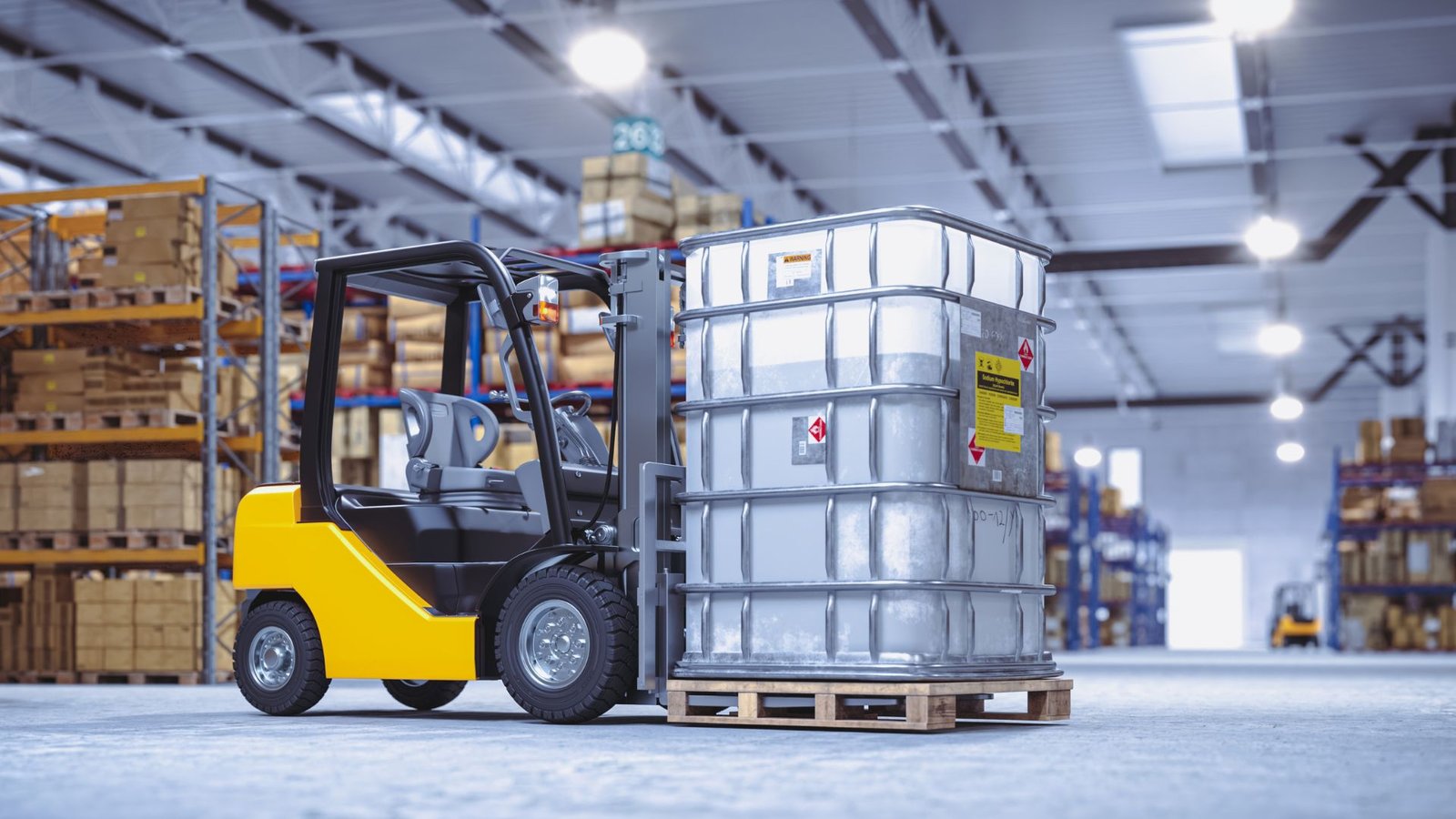
The key to space efficiency lies in the design of the storage container itself. IBC tank (Intermediate Bulk Container) has a cube shape designed for full utilization of vertical and horizontal space. In contrast to round drums which leave a lot of empty space between the arrangements, the square shape of the IBC allows for a tight and neat arrangement.
One IBC unit with a capacity of 1,000 liters is equivalent to around four to five drums. Imagine, you could store the same volume of liquid but with a much smaller carbon footprint on your warehouse floor. Usage IBC Systems directly reduces storage area requirements and makes forklift access easier.
Implementing a Flexible Modular Storage System
One of the main advantages of IBC is its ability to support modular storage system. This means that you can safely stack these tanks to a certain height, according to the floor strength and ceiling height of your warehouse. This system allows you to build storage “blocks” that can be customized to suit your needs.
This flexibility is especially useful when you handle different types of products or when inventory volumes fluctuate. You can easily increase or decrease the number of stacks without having to overhaul the entire warehouse layout. This makes inventory management more dynamic and responsive to market demand.
Three Initial Steps to Implementation
To start the transition to an IBC system, you don’t need to make drastic changes all at once. Start gradually to ensure the process goes smoothly. Here are some simple steps you can follow.
1. Space Requirements Analysis
Identify which products take up the most space with legacy storage systems. Prioritize these products for movement into the IBC first.
2. New Layout Design
Create a simple sketch of the warehouse layout using IBC. Determine where you will place the tank stack to create a better workflow.
3. Small Scale Trials
Start with a few IBC units to see how this system works in your daily operations. Evaluate ease of access, loading and unloading speed, and security before fully implementing it.
Improve Overall Logistics Efficiency
The benefits of using IBC are not just limited to augmentation warehouse capacity. This system also has a positive impact on logistics efficiency you. With integrated valves and filling ports, the liquid transfer process is faster, cleaner and safer.
Time saved during the loading and unloading process means your forklifts and personnel can be allocated to other, more productive tasks. In addition, IBC is designed to be easy to transport, both within the warehouse and for external delivery.
To get the full benefits, keep these best practices in mind:
- Use a clear marking system on each IBC for quick product identification.
- Set IBC based on entry date (FIFO – First In, First Out) for good stock management.
- Make sure the path for the forklift is always free of obstacles for safe and fast movement.
- Carry out regular checks on the condition of the tank to prevent leaks.
Finding the Right IBC Supplier
Transitioning to a new storage system will be much easier if you are supported by a reliable supplier. A good supplier not only sells products, but can also provide advice on layout and best practices. They can help you choose the type of IBC that best suits the products you store.
Make sure you vote IBC Supplier which has a good reputation and offers high quality products. Establish partnerships with Trusted IBC supplier is a long-term investment for the smooth operation of your warehouse. They will ensure you get a safe and long-lasting product.
Conclusion
Adding warehouse capacity doesn’t always mean you have to add a building. By switching to a smarter storage system like an IBC Tank, you can gain significant additional space, improve logistics efficiency and create a more organized work environment. This step is a practical solution that makes a big impact on productivity.
Start by evaluating your current warehouse layout and identifying which areas could benefit most from these changes. With careful planning, you will be surprised at how much extra space you can create.
Which areas in your warehouse would be the first priority to transform using an IBC system?